


Peugeot is counted among the oldest automobile manufacturers in the world. While it is Daimler and Benz of Germany who are widely credited with inventing the automobile, it was the French manufacturers such as Peugeot and Panhard et Levassor who first took up the challenge to actually produce cars in significant enough numbers for public sale. In fact, it was at Daimler’s encouragement that Peugeot (already a successful manufacturing firm) handle the production of the German machine under license. As Peugeot grew with the burgeoning automobile industry, they took full advantage of the marketing opportunities that motorsport provided. Their first major victory came in 1895 where a Type 7 won the Paris-Bordeaux-Paris rally. Further successes would follow, with notable wins counted at the French Grand Prix and Indianapolis 500 mile race where Peugeot was three times a winner, in 1913, 1916, and 1919.
Despite the success Peugeot had enjoyed in motorsport, they would ultimately quit to concentrate on their core business of production road cars. By the 1930s their decision would be affirmed as competition between German and Italian teams reached such a fever pitch that manufacturers were being government-backed. But in spite of Peugeot’s many years out of racing, one man was determined to step in and pick up where the Peugeot works had left off.
In the 1930s, Emile Darl’mat possessed one of the largest Peugeot dealerships in the world. He was a passionate supporter of the marque and one of few dealers with the capability to provide his clients with custom coachbuilt bodies upon request. Most of those bodies were built by Marcel Pourtout, who ran a successful carrosserie, just on the outskirts of Paris. Now that the factory had long since retired from sport, Darl’mat saw an opportunity to realize his dream of building a sports car under his own name and to return Peugeot to its glory days of competition.
For the design of his new car, Darl’mat turned as usual to his friend Pourtout, who called upon George Paulin, the Carrosserie’s tremendously talented lead stylist. Paulin had designed a number of significant motorcar bodies for Pourtout which included the famous “Embiricos Bentley”, a car so aerodynamically advanced that it finished 5th overall at LeMans a full five years after it was built. He also styled the breathtaking Delage D8-120 Pourtout and Eclipse series of retractable hard-top bodies on various chassis. It was clear that Paulin was not short on talent.
The first version of the Peugeot Darl’mat sports car was based on the 302 chassis. Darl’mat would take delivery of new 302 chassis at his facility where a larger, 2-liter 402 engine would be fitted. Bodies would be built by Pourtout, to a design by Paulin, in coupe, cabriolet or roadster styles. The dramatic roadster body was truly breathtaking, embodying the art-deco era in most spectacular fashion. Thanks to that lightweight and aerodynamically efficient body and more powerful 2-liter engine, the Darl’mat proved to be a rather successful sports car. In 1937, three cars were prepared for the 24H LeMans, with “semi-works” support from Peugeot. The results were promising, as the Darl’mats finished second, third and fifth in the two-liter class. For 1938, an updated 402 chassis was provided by Peugeot which was wider, shorter, and lighter than before. This now served as the basis for production and competition cars, which were now called “DS 402 Darl’mat”. The team returned to LeMans in 1938 with the newly refreshed cars, and secured victory in the two-liter class and incredible 5th overall. Thanks to the efforts of one passionate dealer, Peugeot had returned to international sporting success.
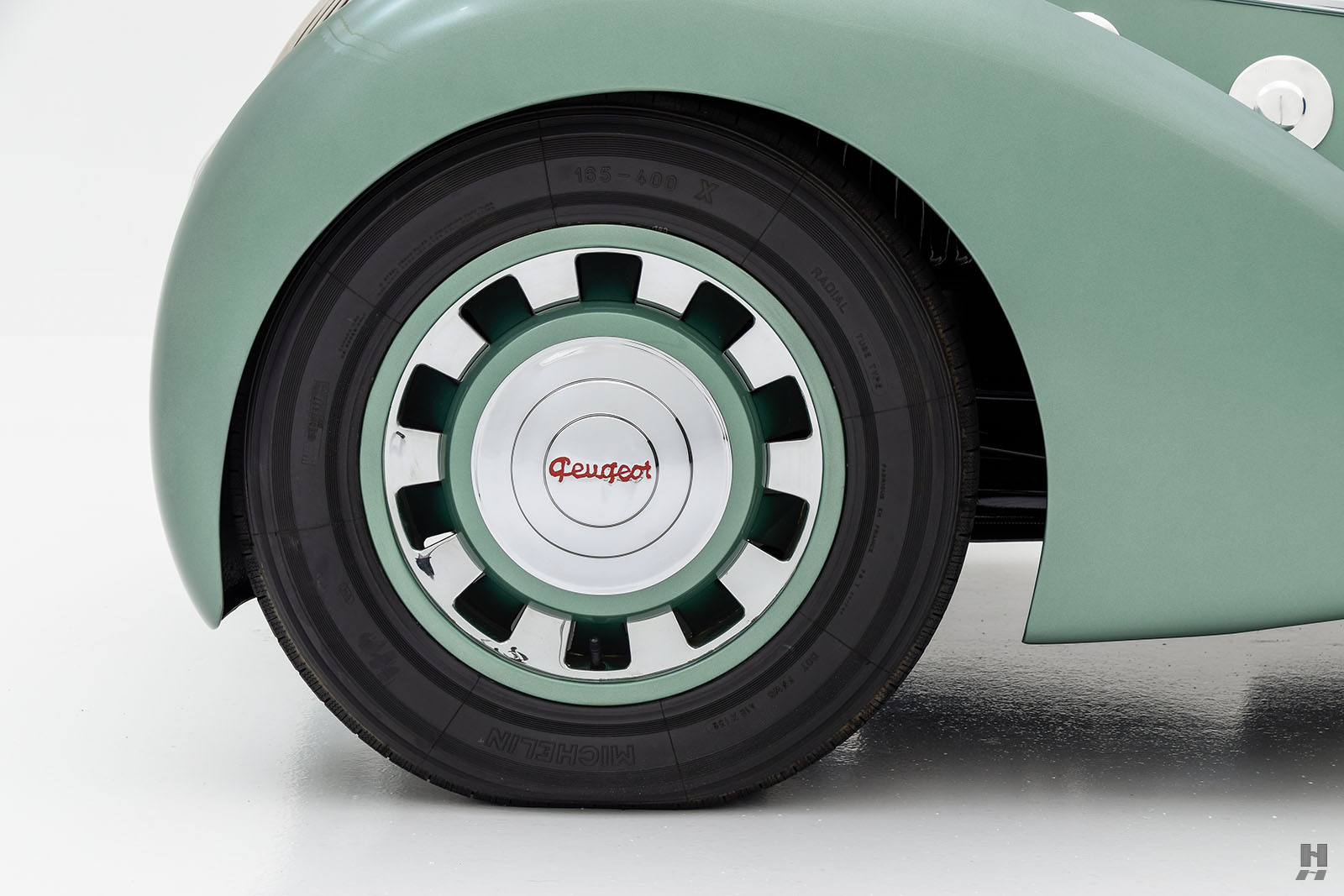
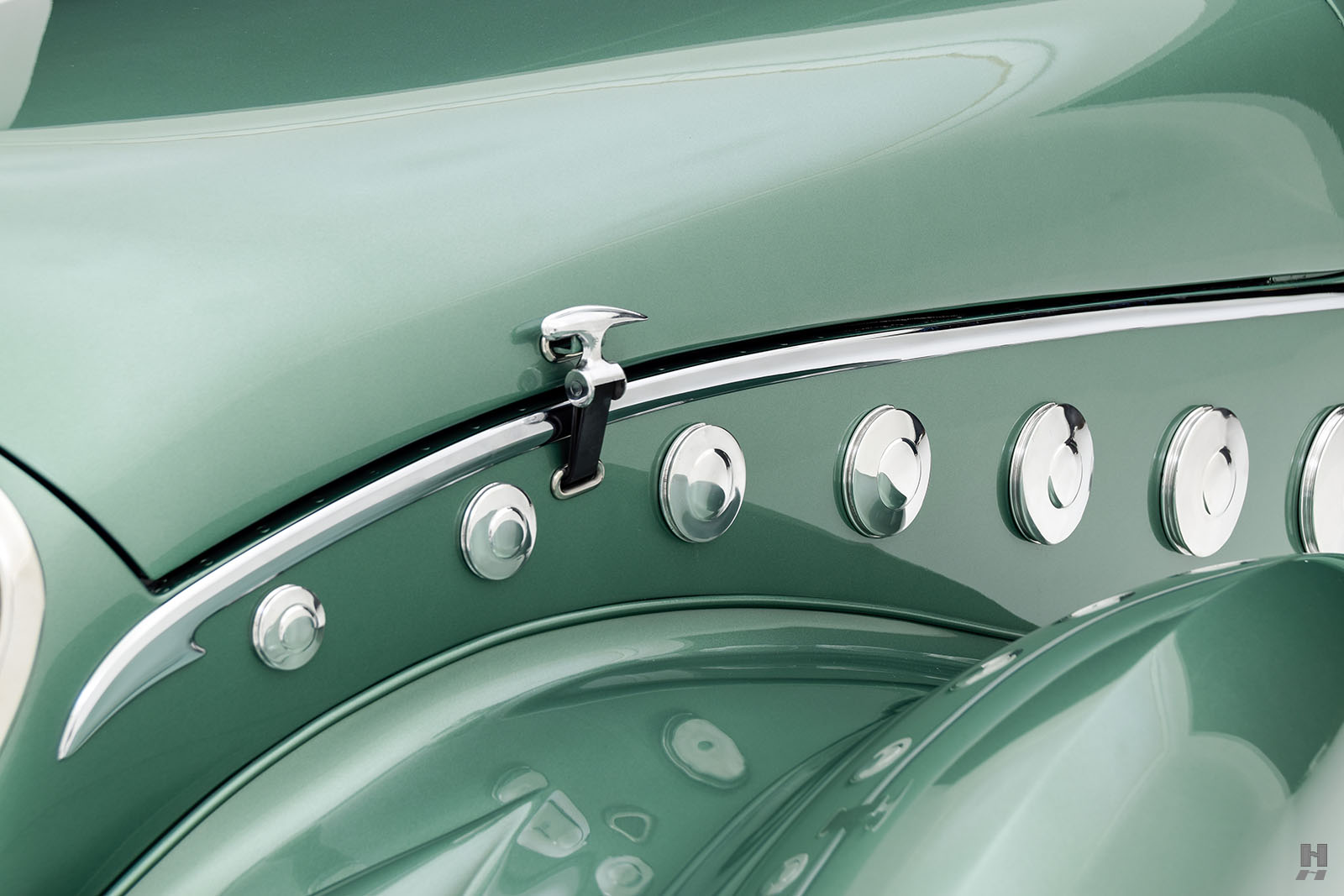
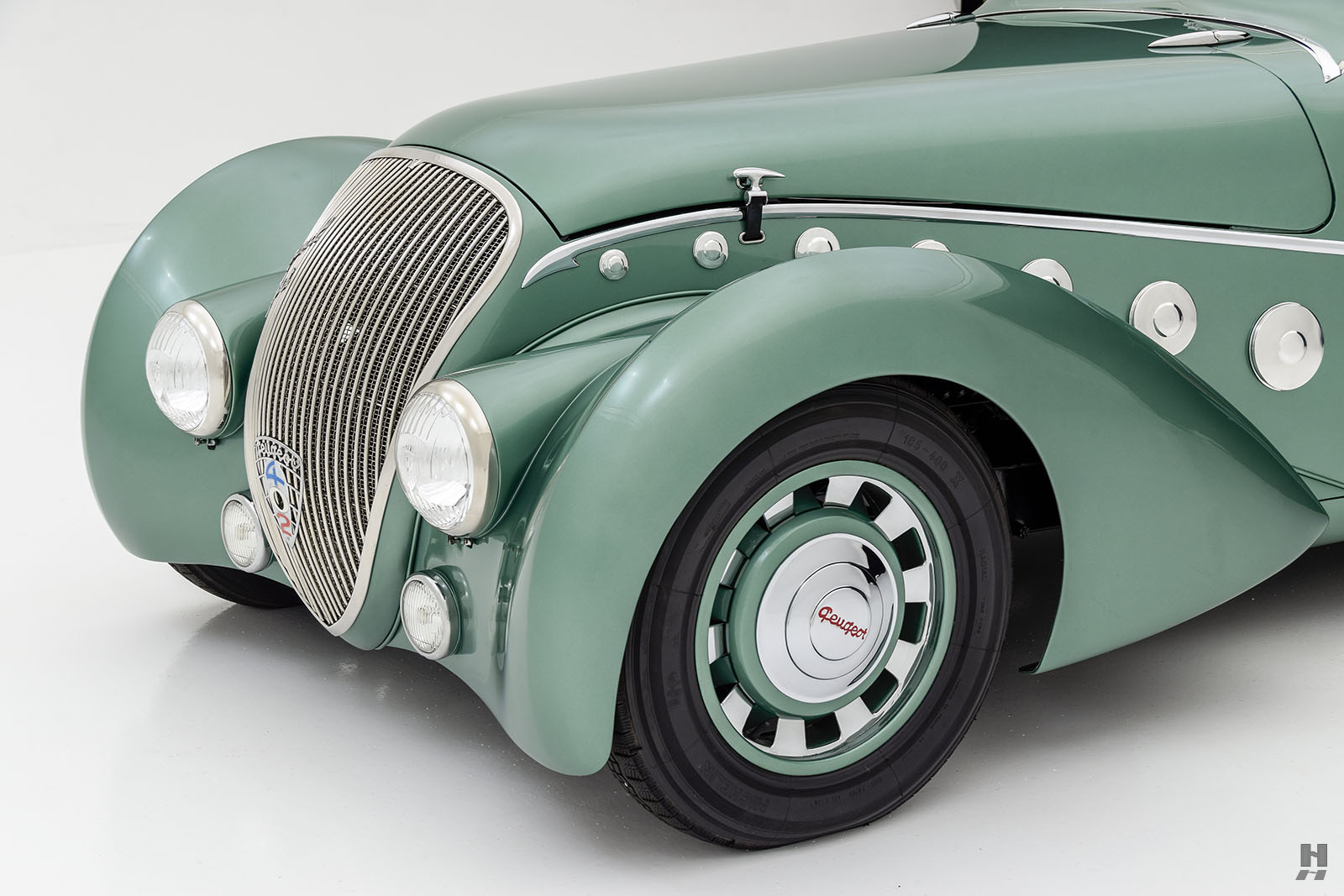
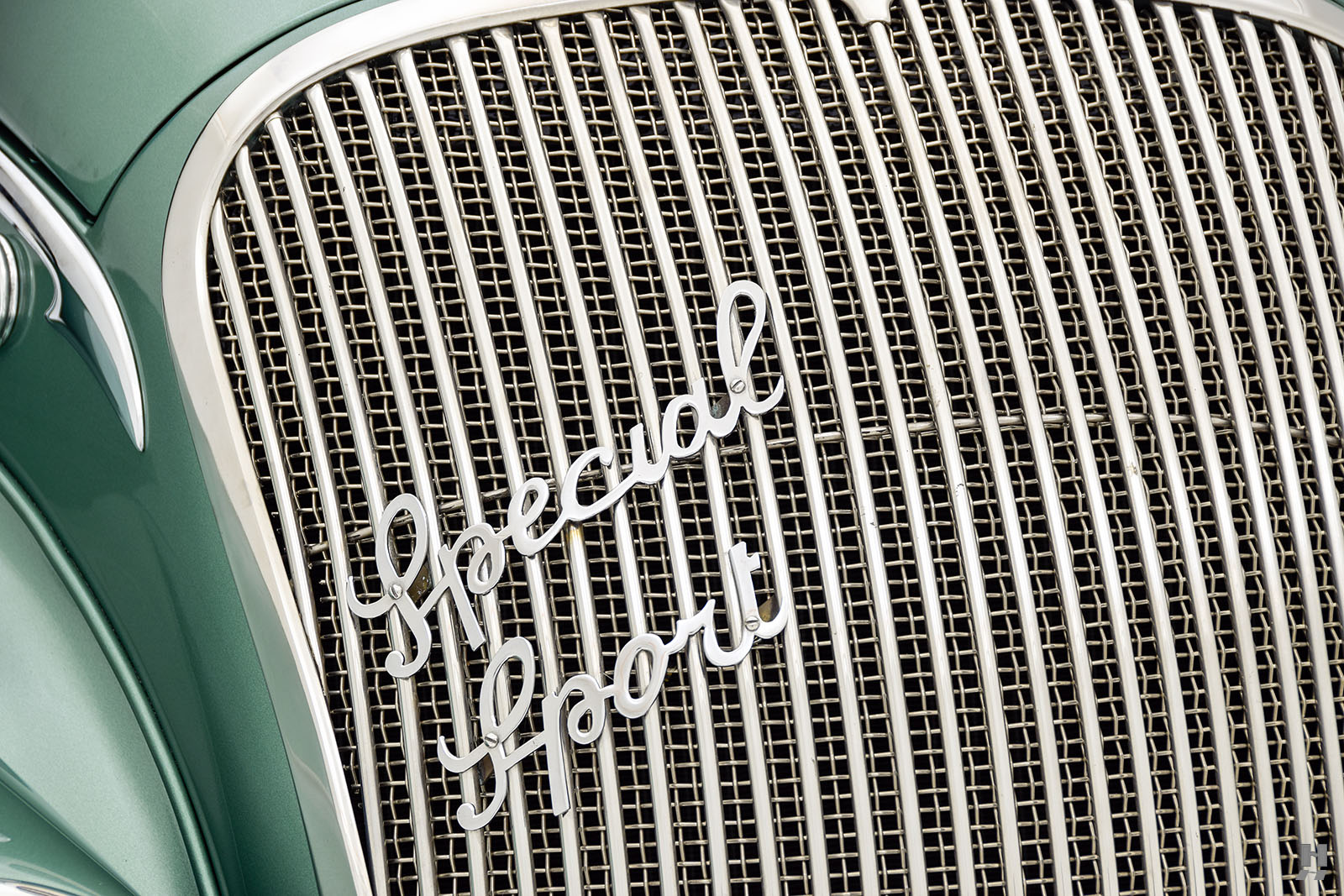
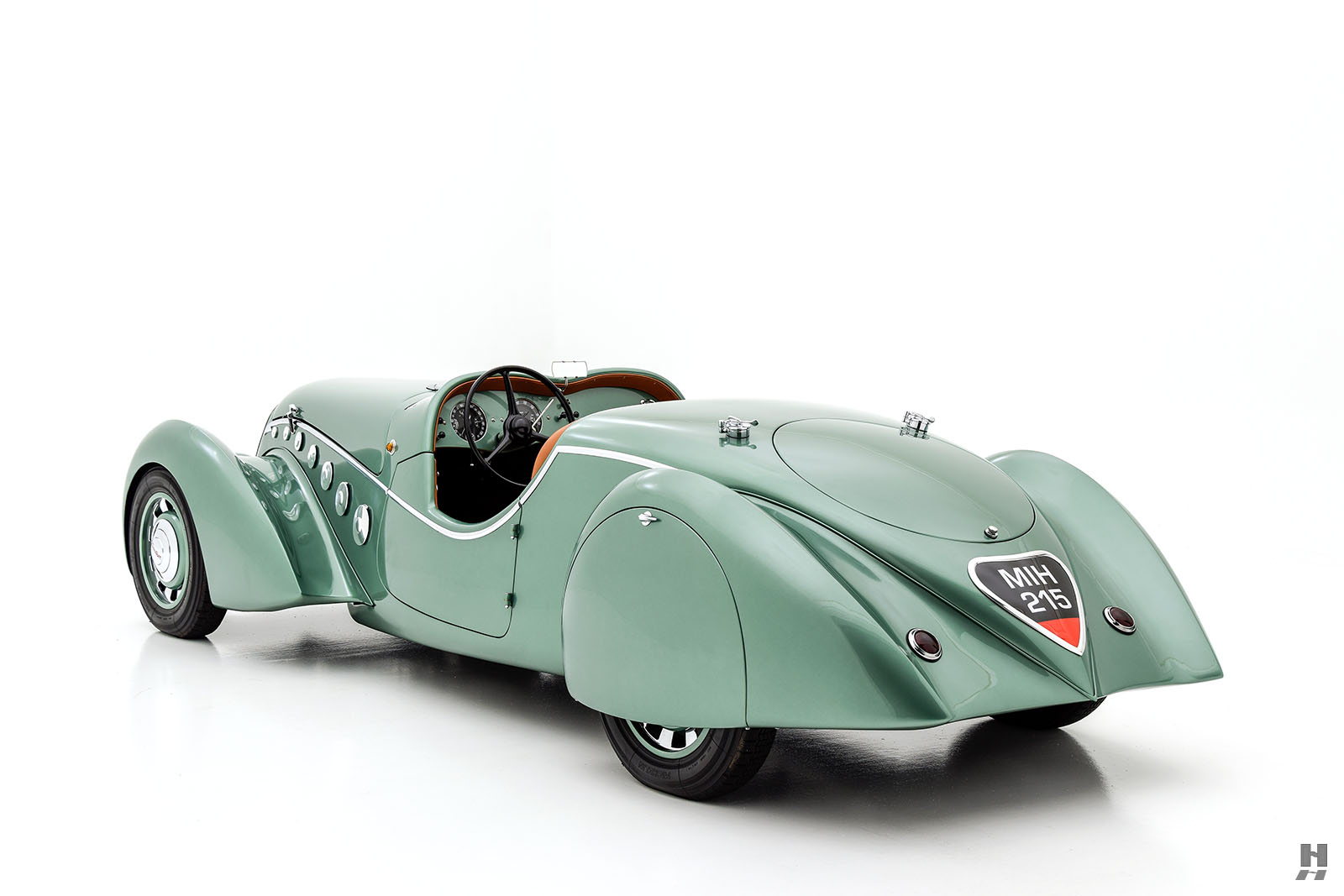
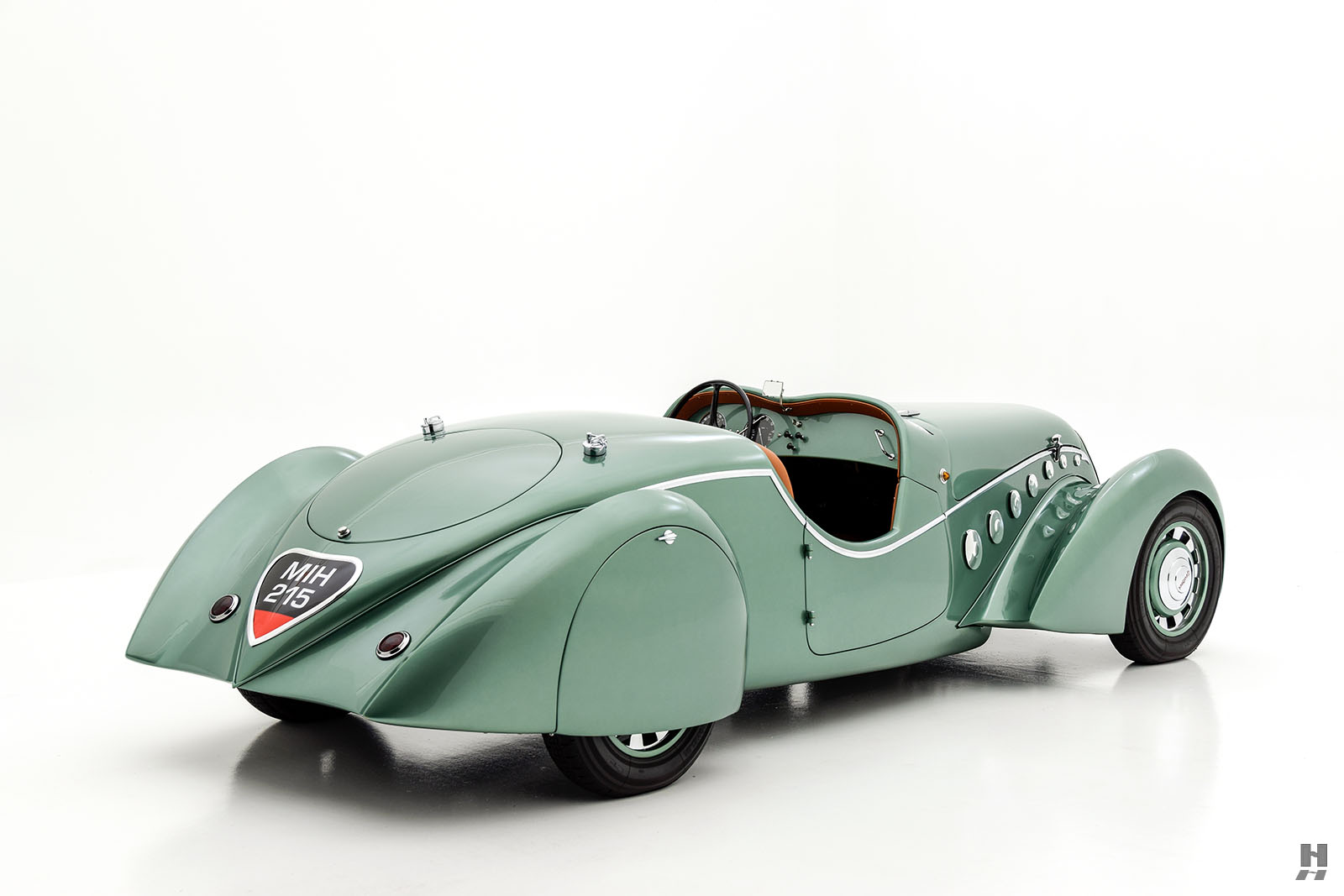
Our featured 1938 402 S Darl’mat “Special Sport” roadster is a truly spectacular example, in the most desirable specification, fresh from restoration and ready for serious concours, rallies and tours. While little is known of its earliest history, it is understood that chassis number 400215 came to Canada via Great Britain in 1961. The car was driven regularly by its first Canadian owner through the 1960s and into the 1970s when a restoration was begun. In 1982 it was sold as an unfinished project for just $2,500 to a collector from California, who, along with his son, continued with the restoration. The project stalled yet again, until the early 2000s when they found renewed interest in the beautiful Darl’mat. Finally, after many years in an unfinished state, this magnificent automobile has just come out of a comprehensive, concours-quality restoration and presents in stunning condition.
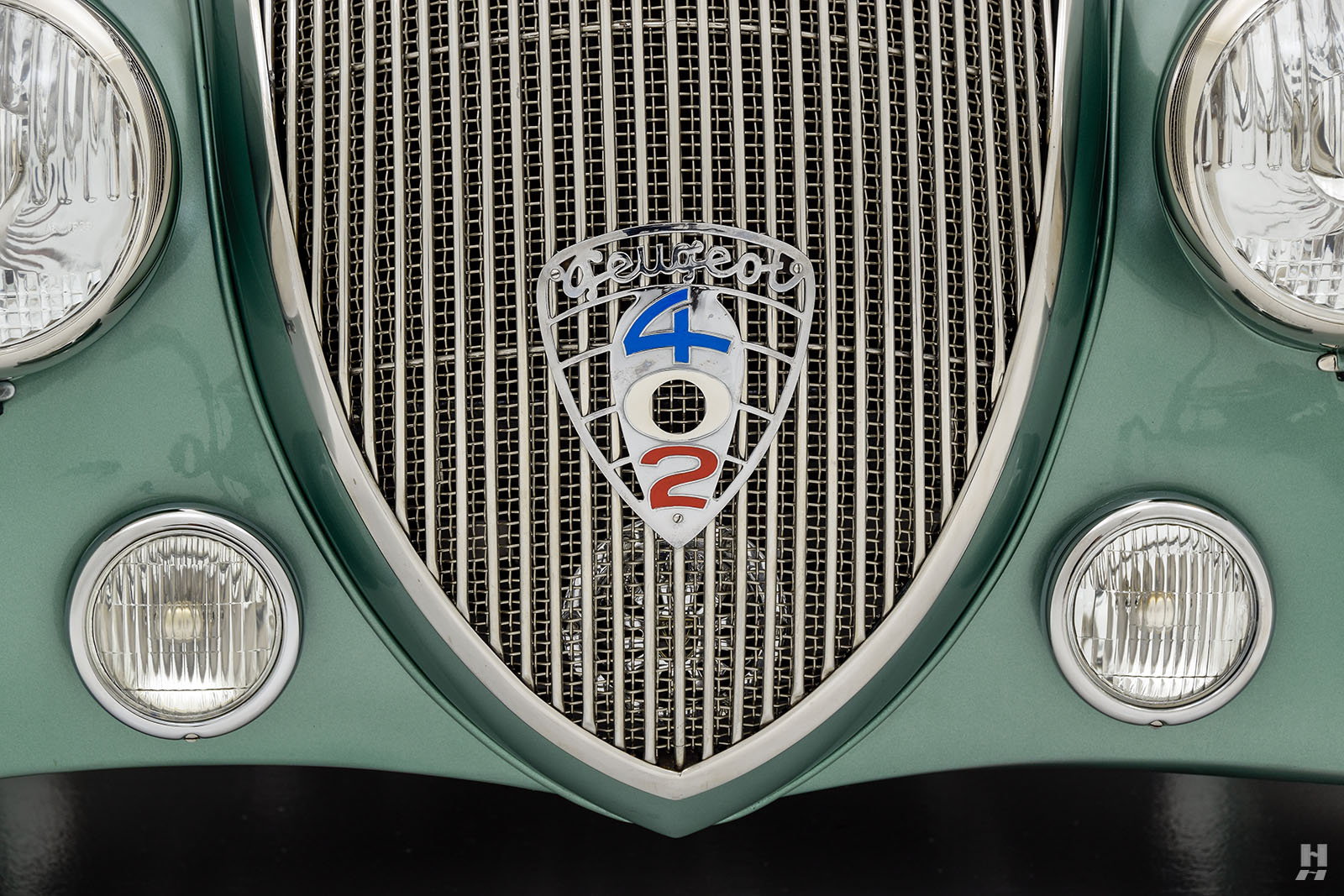
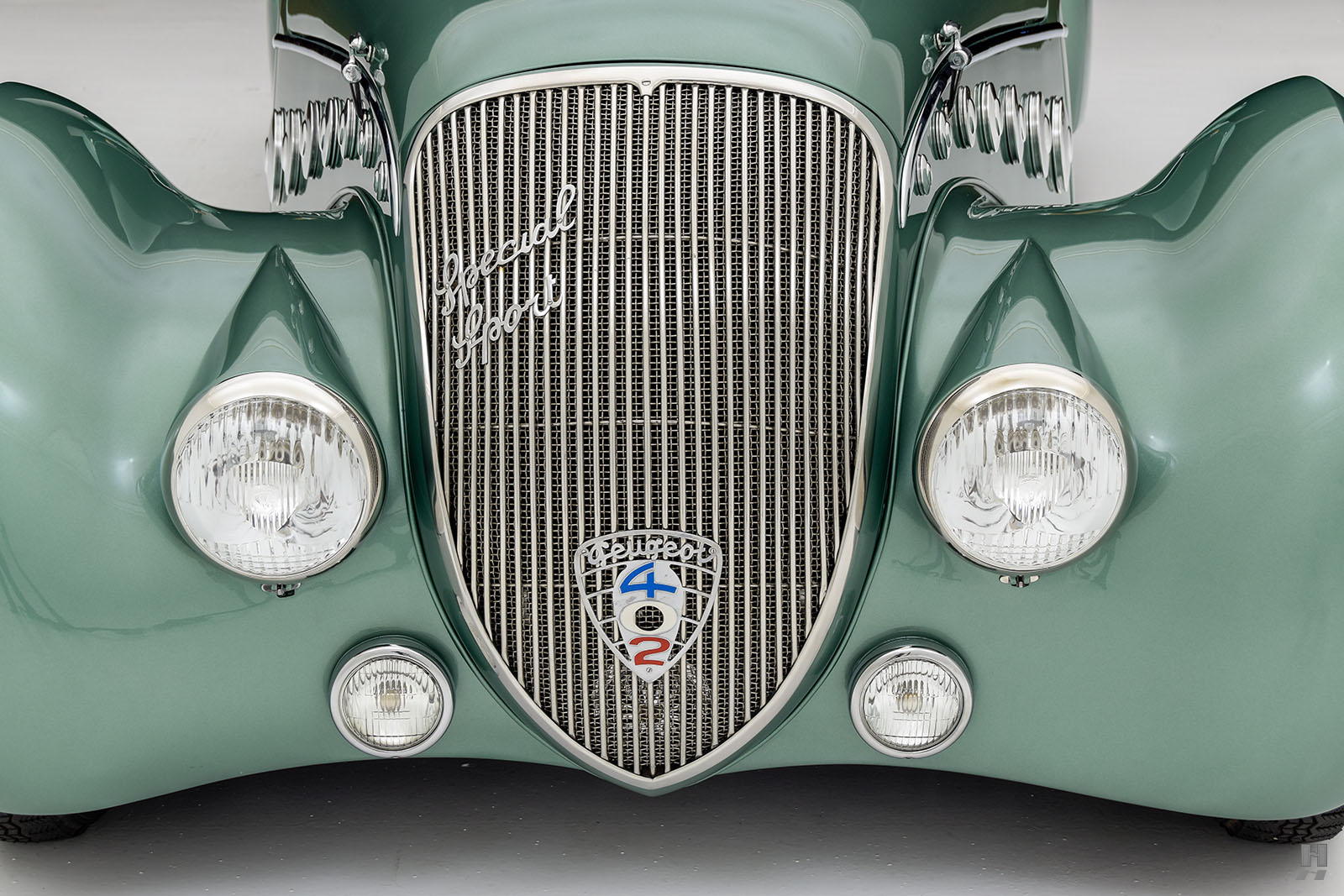
Of the 105 Darl’mats built across three body styles, just 53 were fitted with the stunning roadster coachwork. The styling is truly exquisite, quite like no other automobile before or after. Paulin’s design is a breathtaking combination of compound curves and sharp creases, with bold geometric details that define the Art Deco Era. The paint on this example, a beautiful shade of opalescent sage green, is practically luminous in the way it flatters the Darl’mat’s lines. The body is finished to concours standards with absolutely straight reflections and glass-like surfaces. Fitment of the body panels is precise and the chrome trim and large, intricate radiator grille have been beautifully restored. As these cars were essentially built to order, there are often a number of detail differences from one to the next. This car, for example features the desirable Marchal fog lamps which are faired-in to the lower front apron.
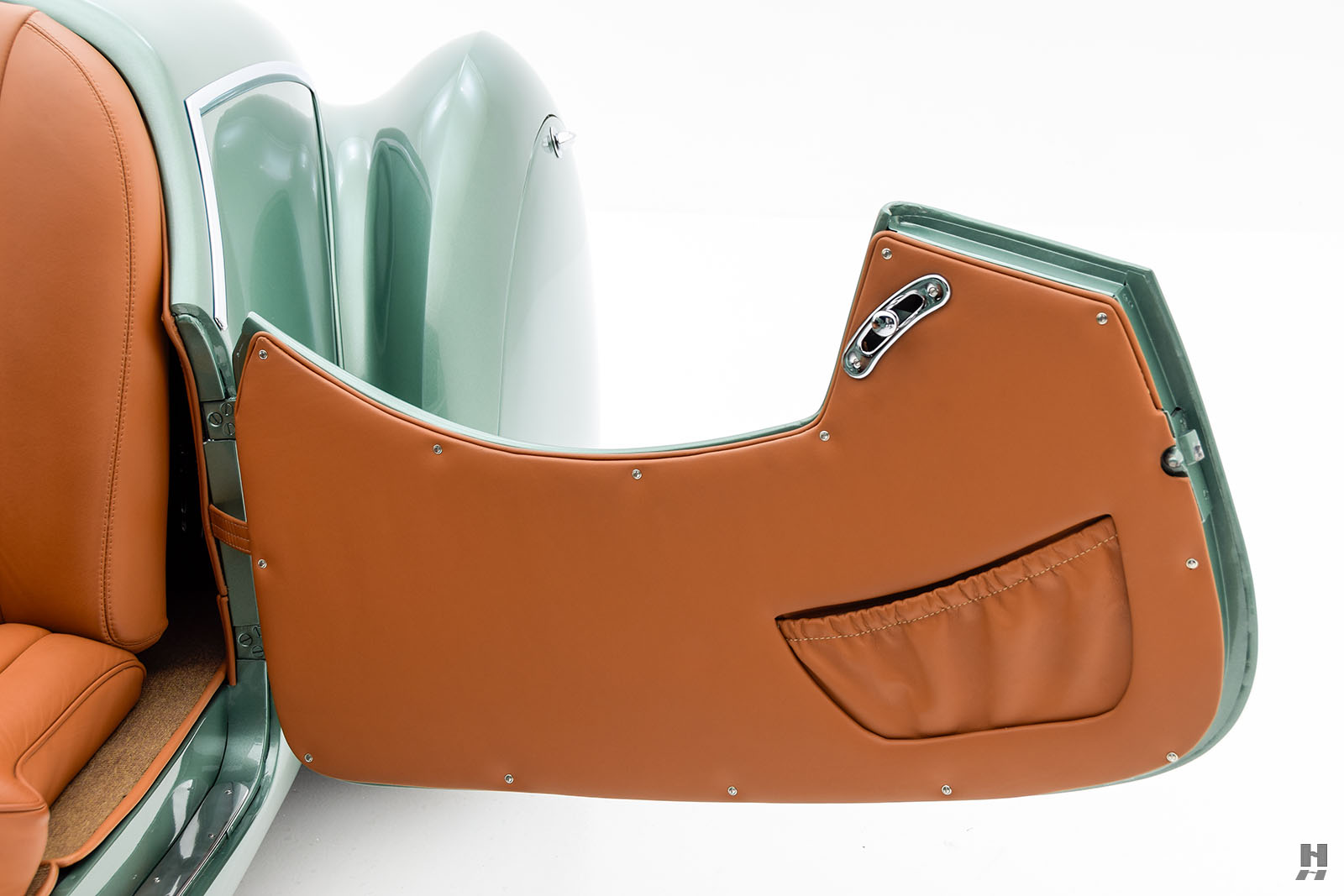
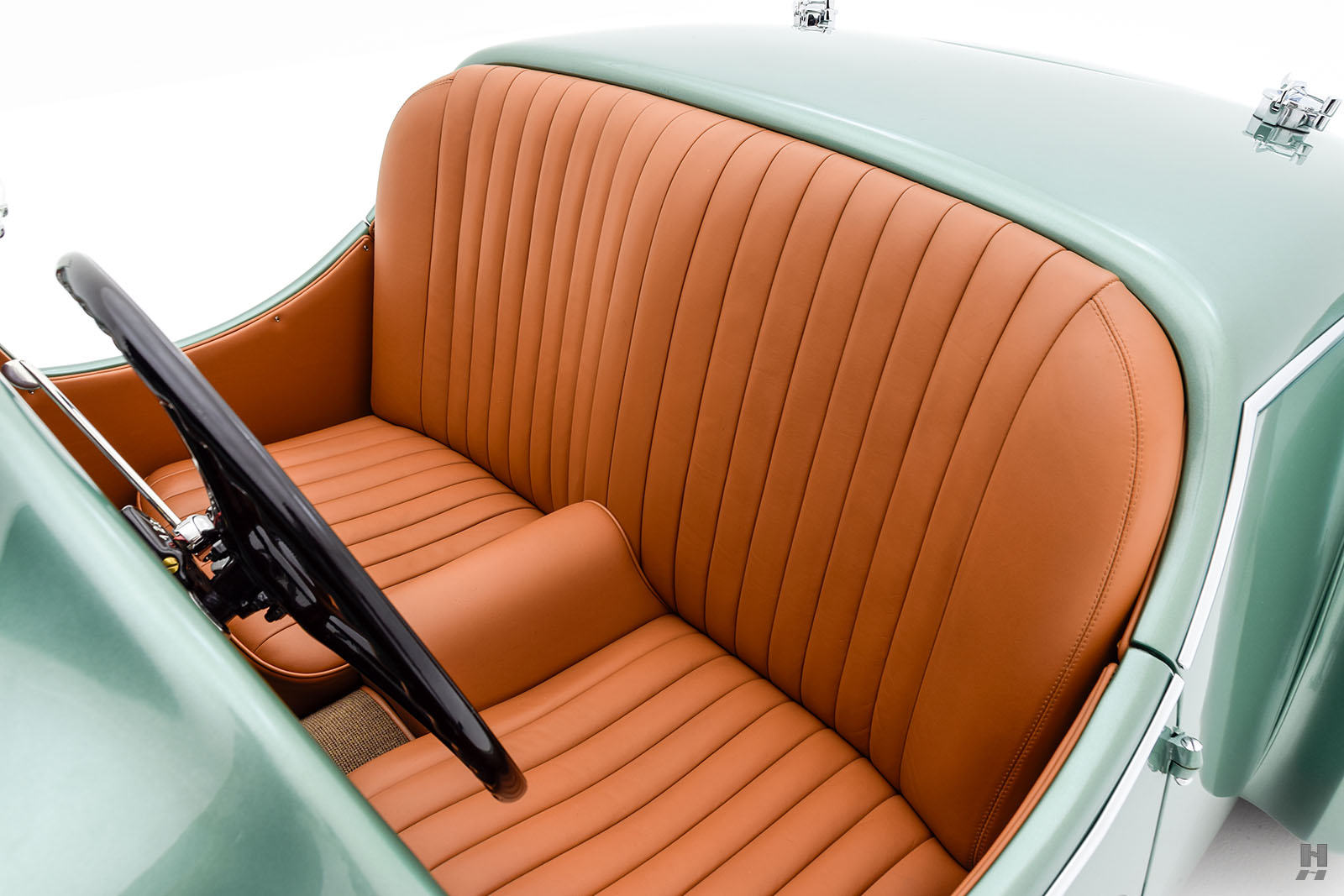
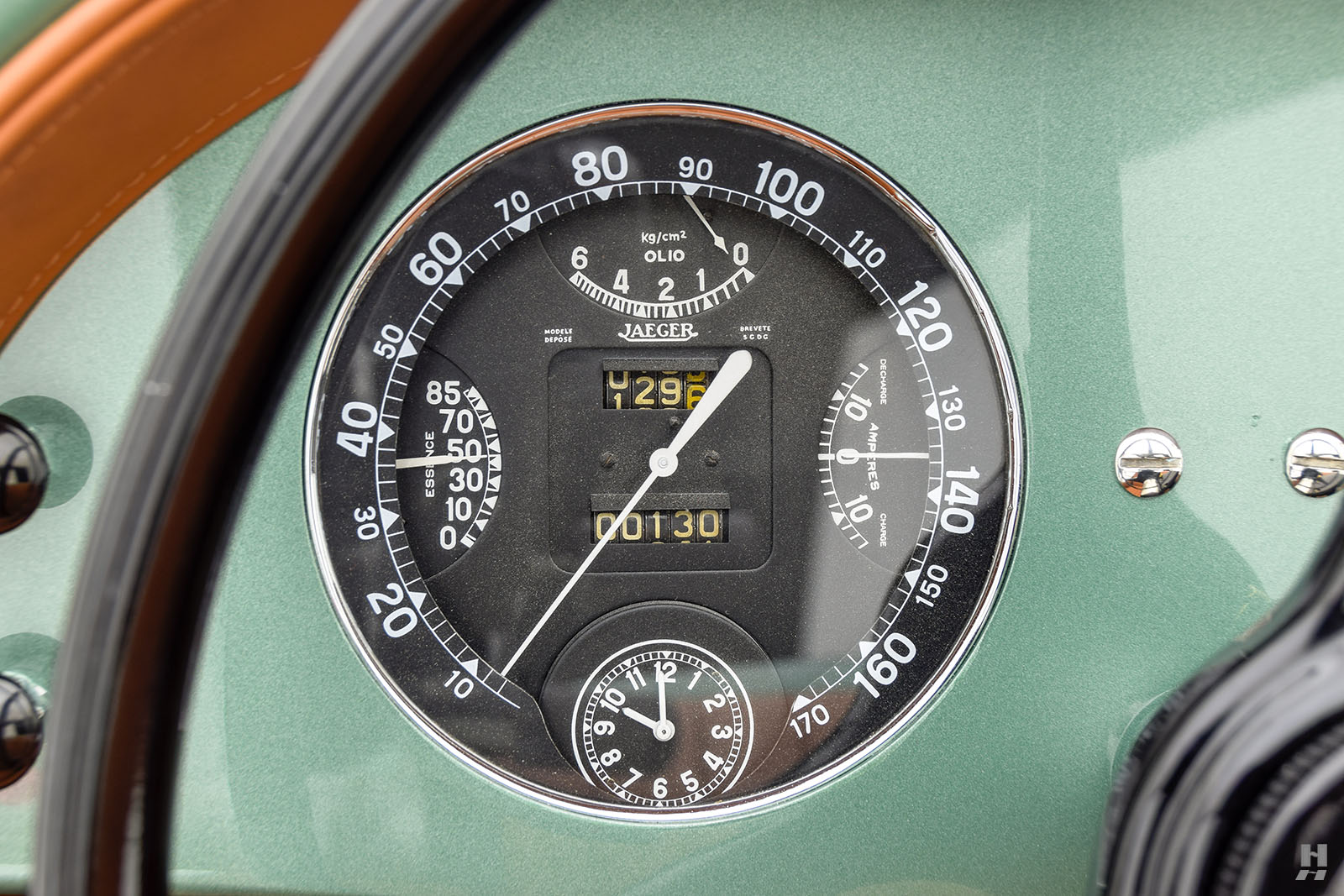
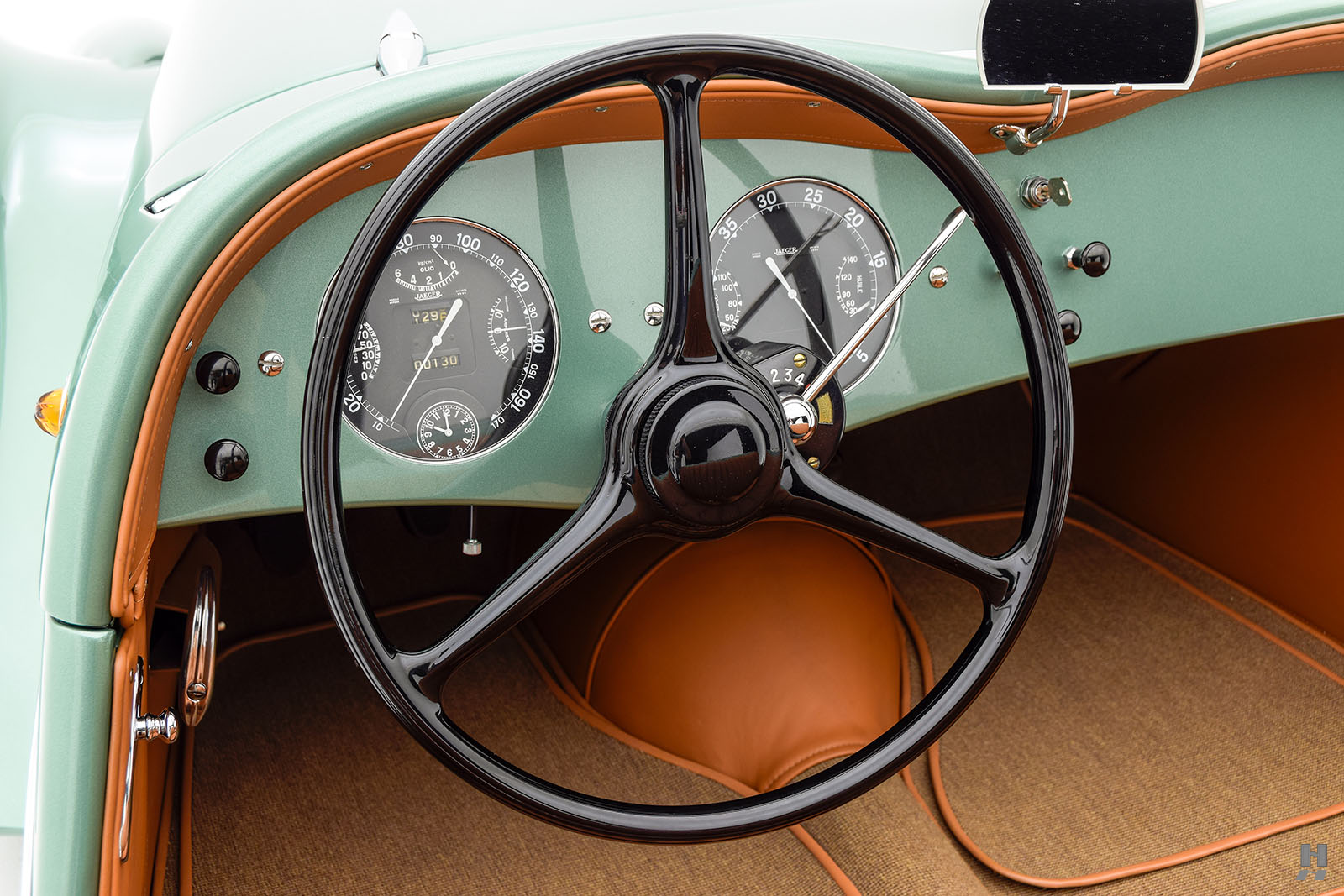
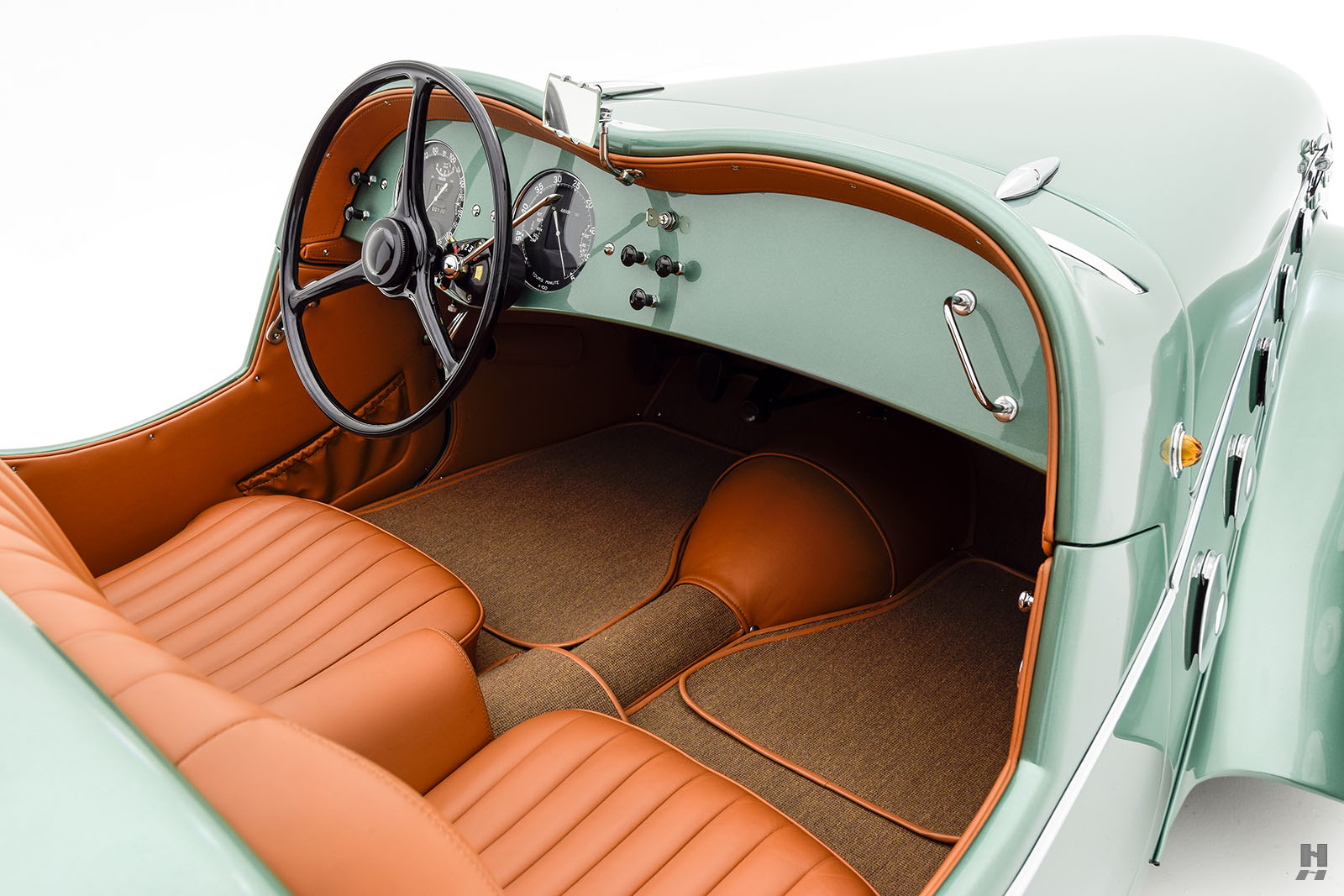
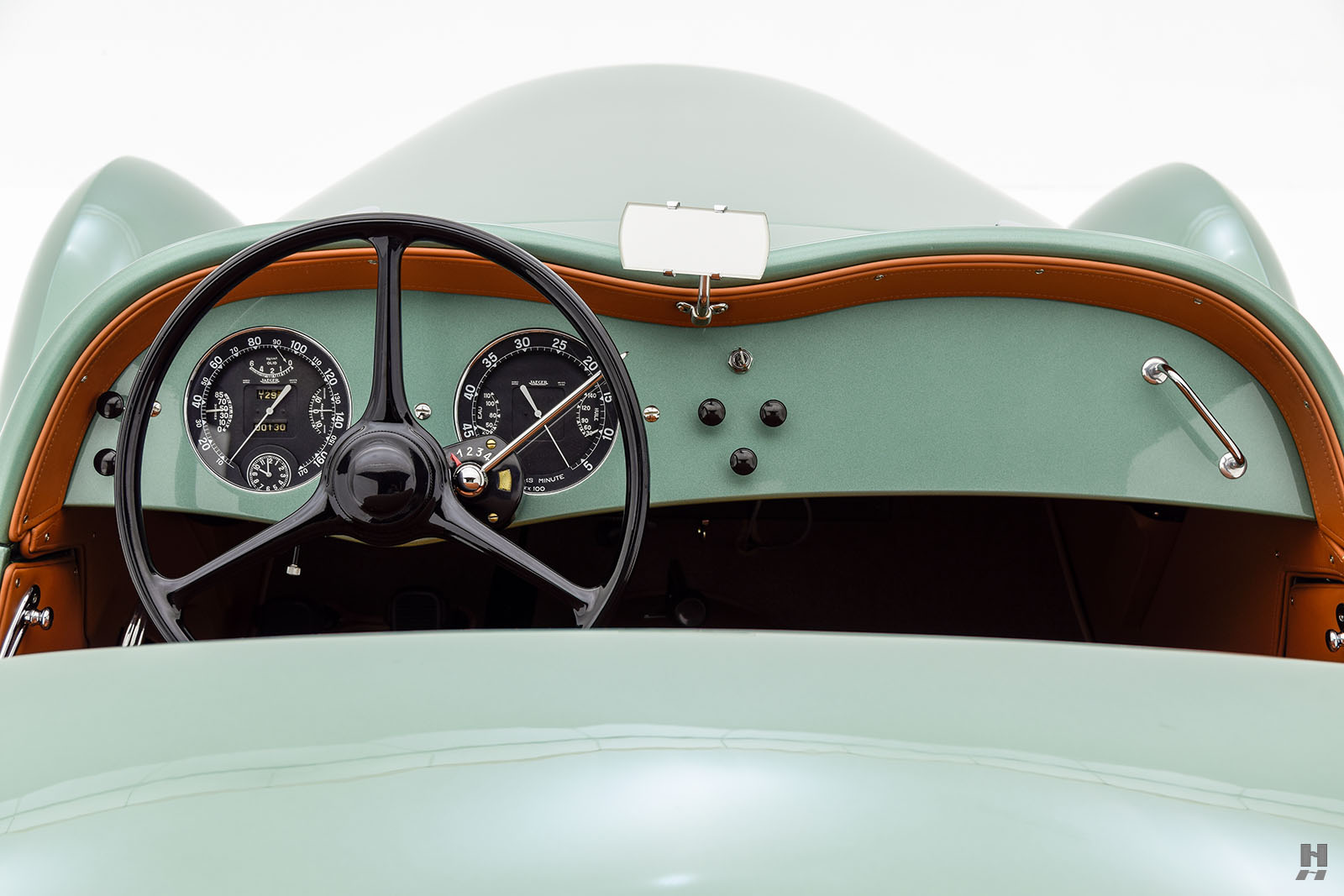
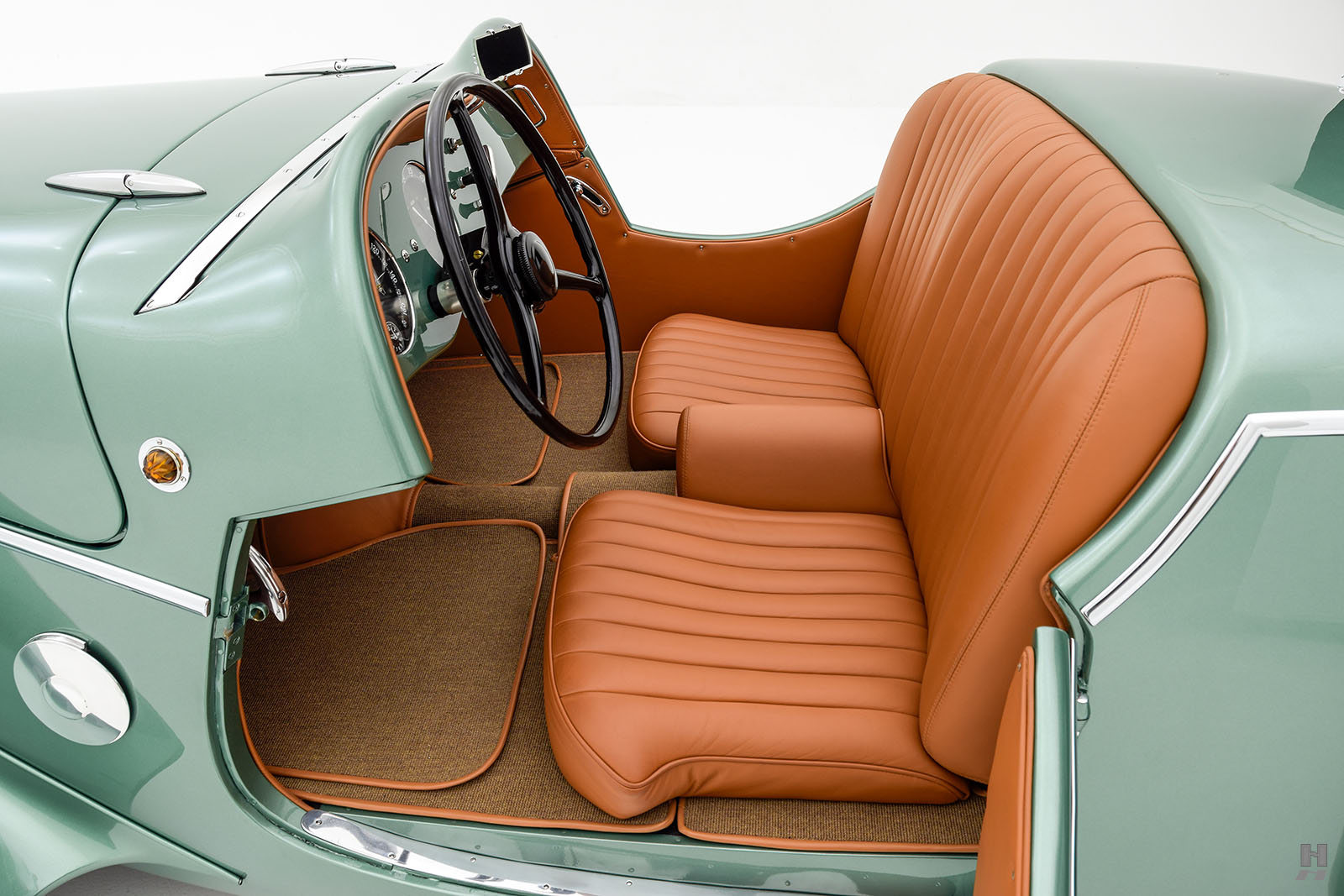
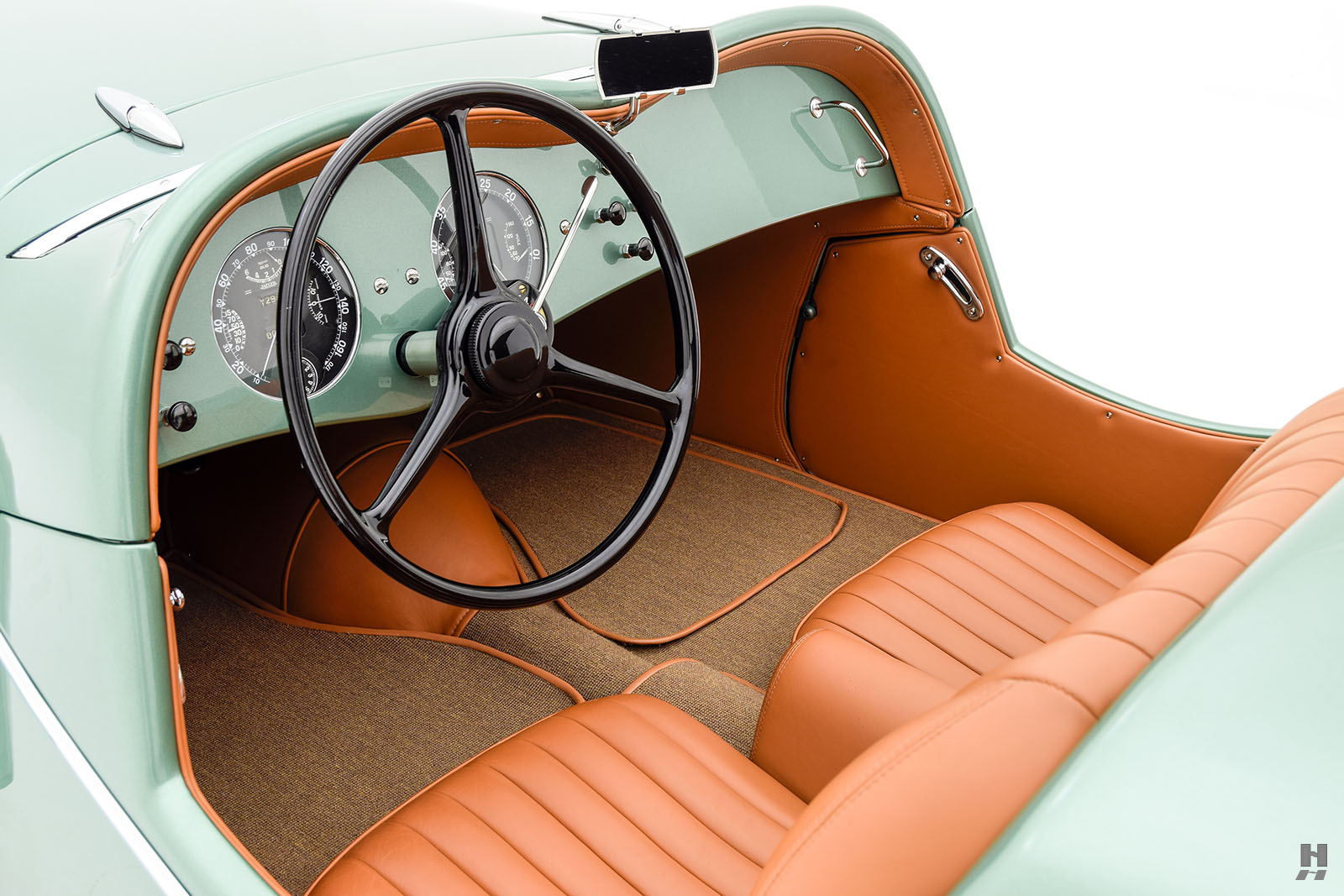
Contrasting the green paintwork is a cockpit trimmed in beautiful natural tan Connolly hides. Accommodations are basic in this sports-focused model, but the detailing is no less impressive. A simple three spoke wheel greets the driver, and the dash is minimalist in fittings, with just two main dials with minor gauges built in, chronograph-style. One distinctive feature of the Darl’mat Special Sport is the retractable windscreen which enhances the dramatically low-slung looks and gives away the car’s sporting intentions.
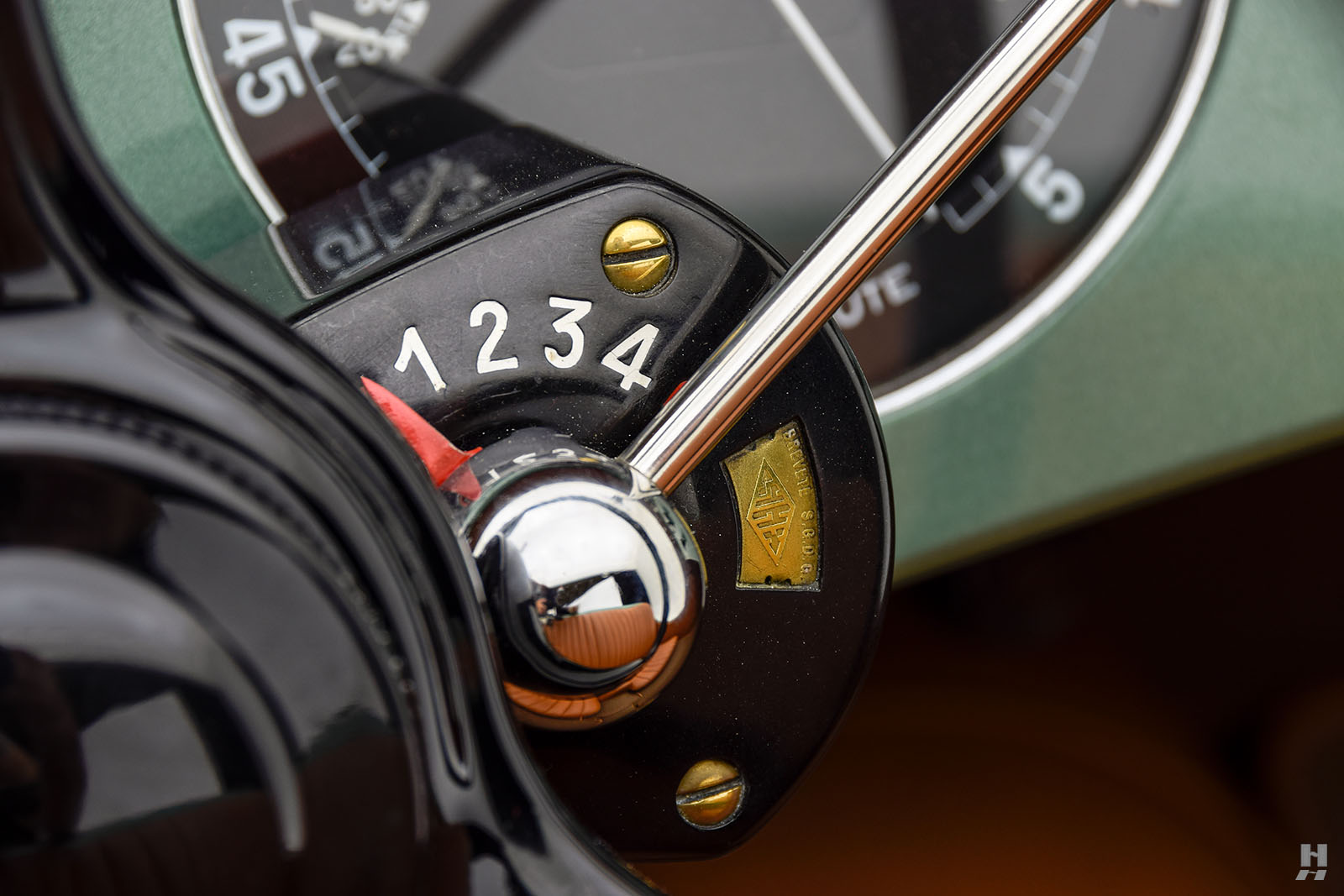
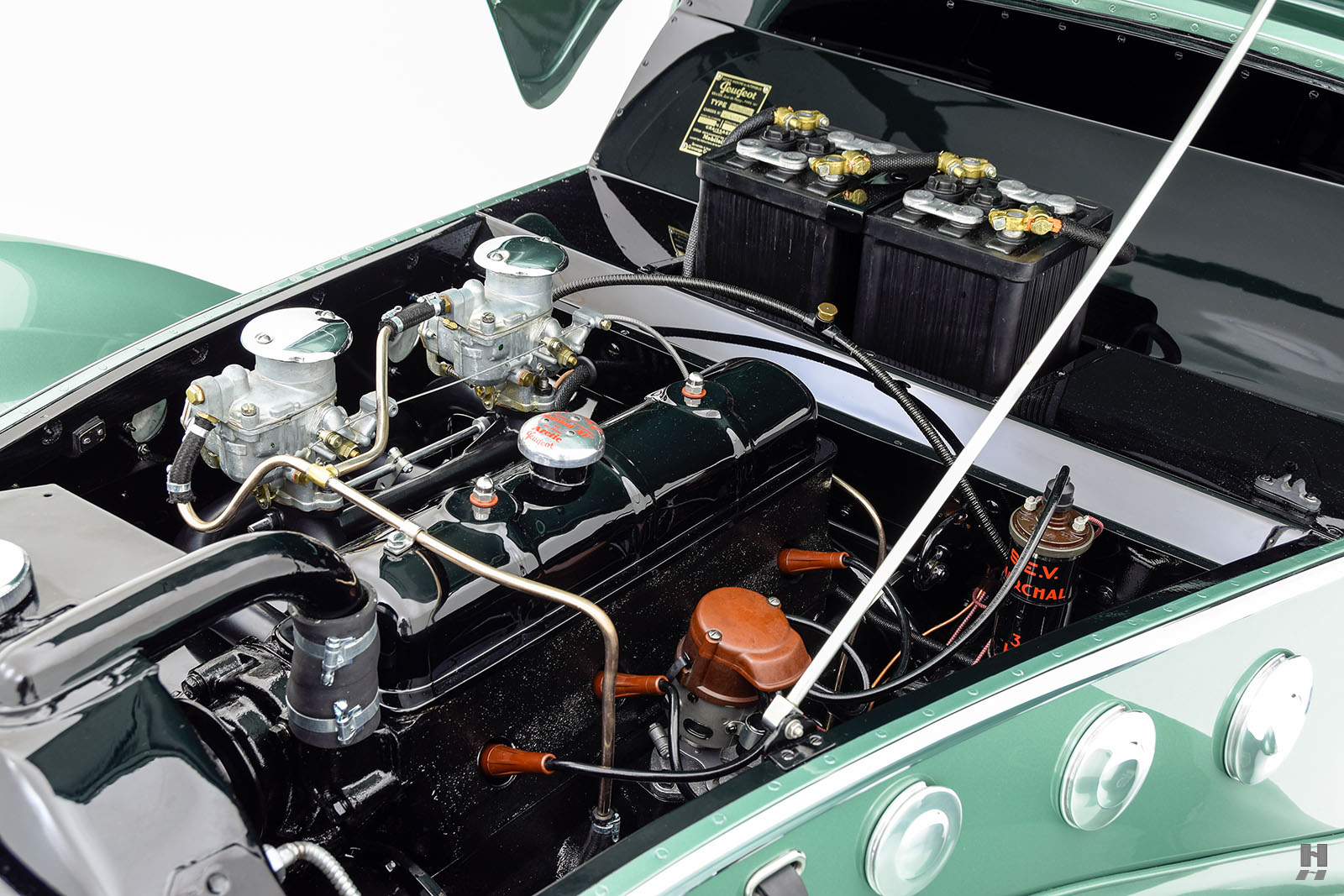
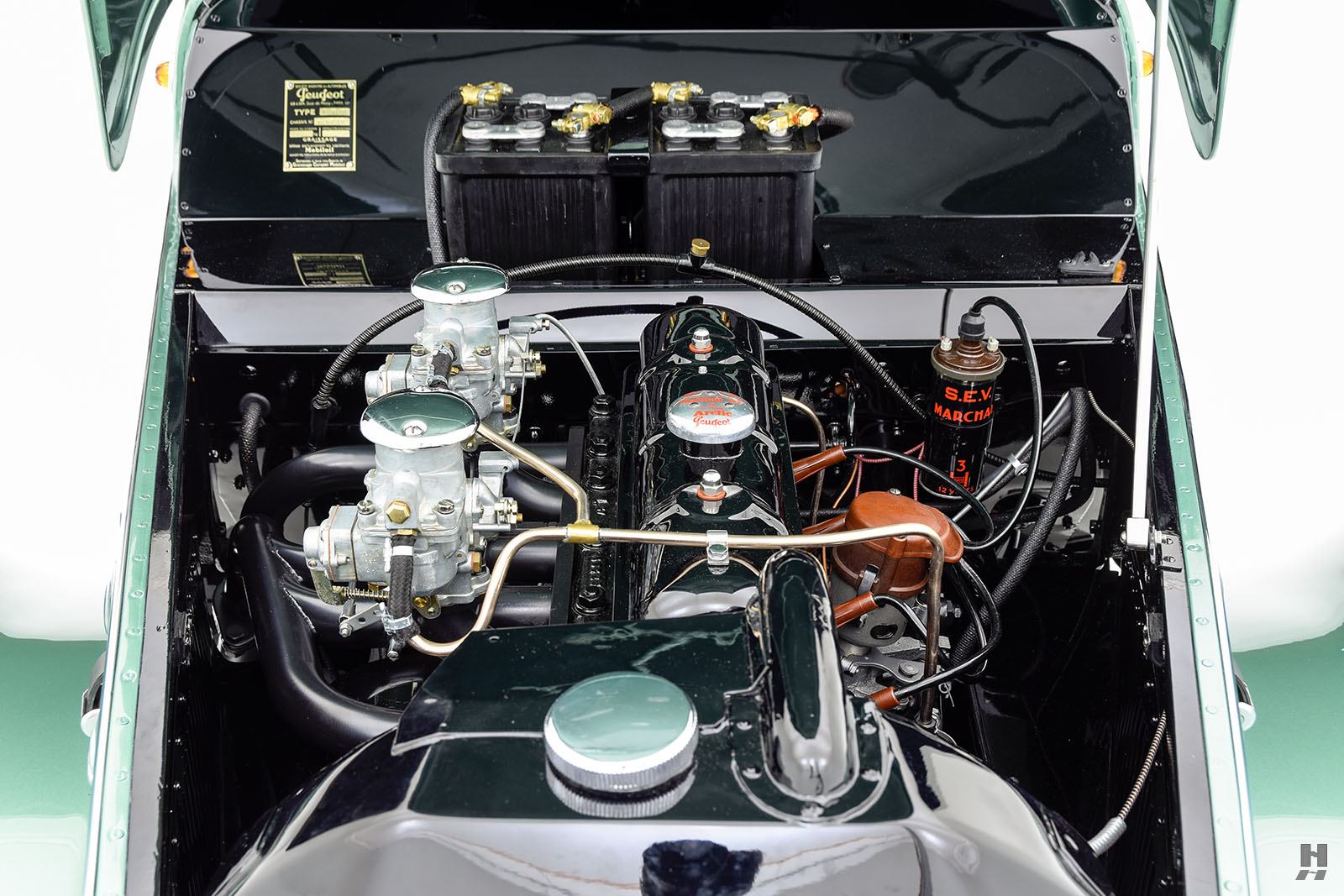
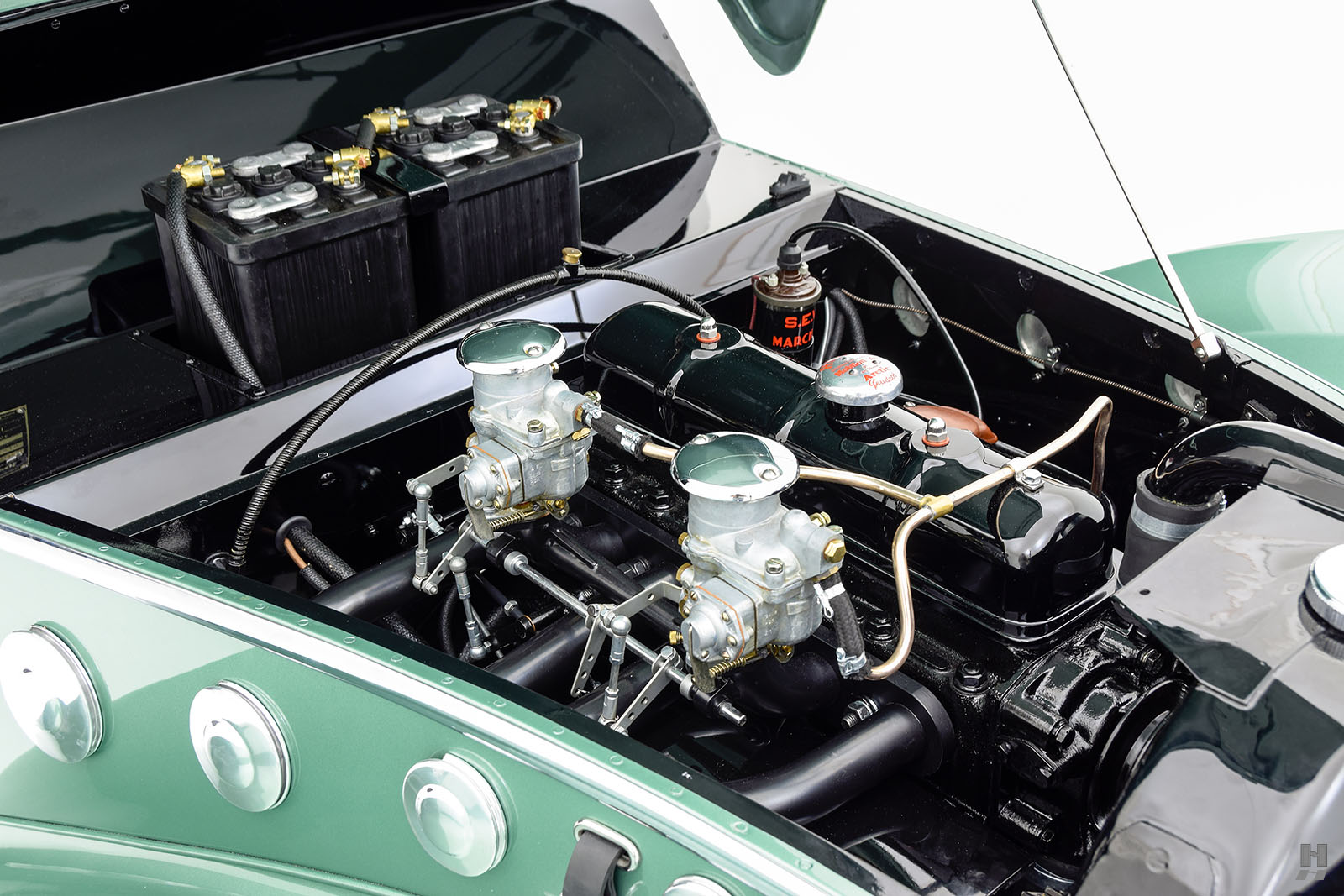
The restoration goes beyond the body, of course, with the 2-liter 402 engine receiving a complete rebuild and comprehensive upgrades to ensure reliable running and generous power. The rotating assembly consists of bespoke Carillo rods and 9:1 compression Ross Racing pistons. Now displacing 2.3 liters, the robust bottom end is fed via a flowed head with improved period-correct twin carburetors. Power is boosted significantly from the original 75 horsepower and despite the numerous internal improvements, the engine bay retains its stock, period appropriate presentation, detailed to a concours standard. That newfound power is sent to the rear wheels via the original Cotal pre-select gearbox, one of just 50 Darl’mats so equipped.
The exquisite style of the Darl’mat Sport Special and its proven performance in France’s greatest race serve to cement its place in the annals of French automobile history. This example, with its fresh, concours-quality restoration is sure to be welcome at virtually any important event worldwide. The discreet yet comprehensive engine upgrades translate into vivid performance, making this Darl’mat not only a contender on the concours show field, but also a magnificently enjoyable rally or tour car. This breathtaking automobile represents a very rare opportunity to acquire one of the most distinctive, fascinating motorcars ever produced; a coming together of three brilliant minds to produce a singularly brilliant motorcar.
Sorry this car has been sold. Are you looking to buy or sell a car like this? Contact a representative
For immediate assistance please call us at +1-314-524-6000 or please fill out the following form and a member of our team will contact you.