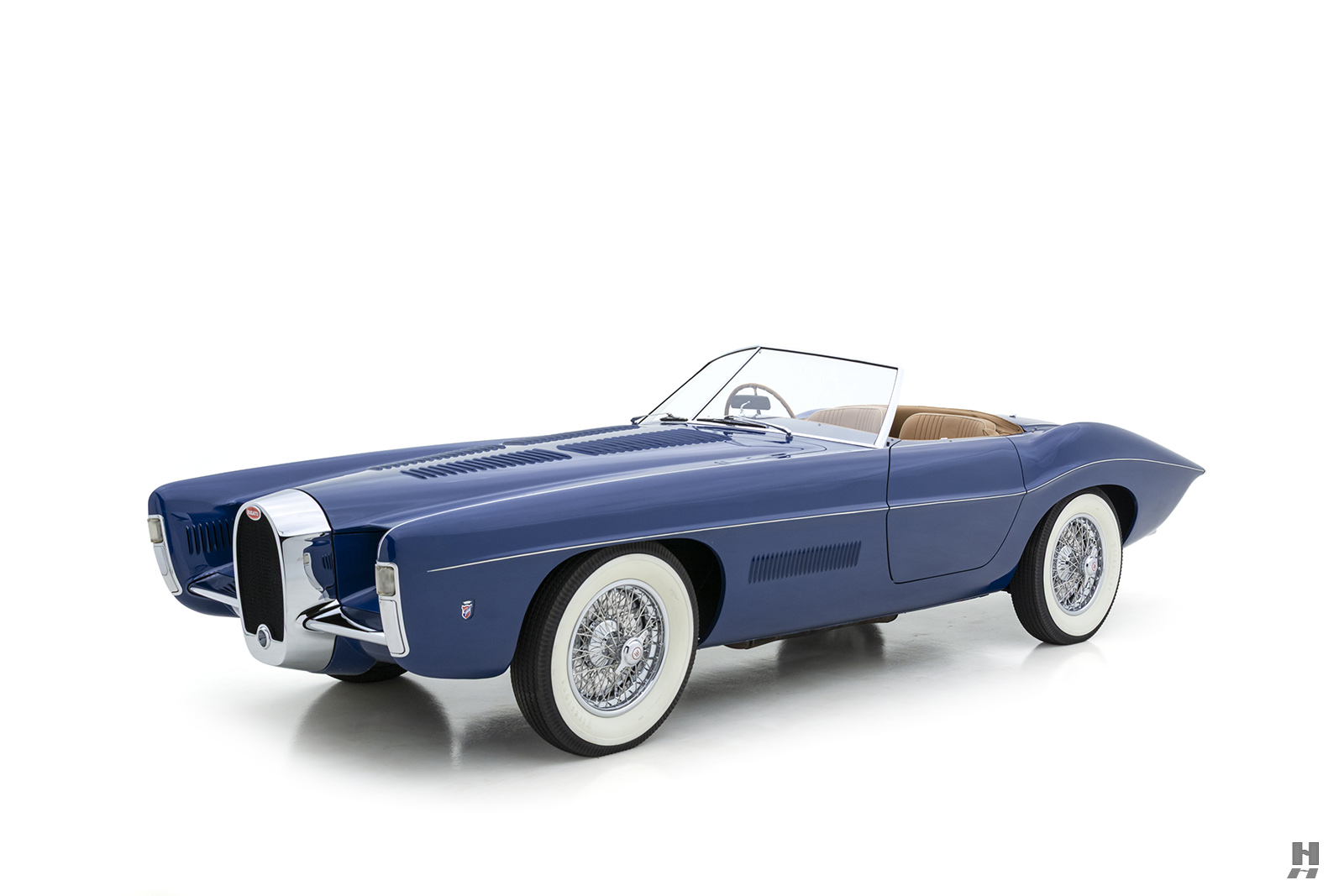
Chassis 101506C
- Offered out of more than 40 years of care in the Lyon Family Collection
- One of just seven Type 101 chassis built, and equipped from new with the optional supercharged engine
- Retained by Bugatti until 1961
- Clear, well-known provenance throughout its existence
- Exceptionally well-preserved and largely unrestored condition
The Final Chapters of Le Patron
During the long, dark days of World War II, Ettore Bugatti persisted. The final chapters of his company began in 1939 when, at the behest of the French government, Ettore evacuated his Molsheim factory to a scruffy industrial site in Bordeaux some 800km from the German border, to produce camshafts, crankshafts and propellor shafts for Hispano-Suiza aircraft engines. His beloved chateau and factory had fallen to the occupation forces, so business shifted to Bugatti’s Paris showroom at Avenue Montaigne. Naturally, selling Bugatti automobiles in such an environment was nearly impossible, but nevertheless, Ettore remained hopeful and continued to design cars from his Paris home. Among his many concepts, only the Type 73, a 1,500cc light car with optional supercharger reached the prototype phase, but he held on to hope that cars would once again roll from the Molsheim factory gates.
Unfortunately for Ettore, the end of the occupation did not equate to a seamless return to business as usual. His factory fell under French government control, but bureaucratic roadblocks and suspicion of Bugatti’s Italian roots meant it took years of lawsuits and appeals for him to be allowed back to his factory. And when he got the keys back, he found precious machinery stolen and overturned, and offices burned. The stress of the war, the reconstruction, and the struggle to regain his factory took a toll on Ettore’s health, and after failed attempts to restart production, Le Patron died in 1947.
In the wake of his death, there was no clear successor to the throne as his son Jean died in a tragic road accident years earlier. Ettore’s young second wife was left 50% of the company, his son Roland put in charge overall, and day-to-day operations fell to General Manger and company veteran Pierre Marco. With tenuous cooperation among the various factions, the stage was set for an uneasy revival.
The Bugatti Type 101
With new leadership in place at Molsheim the focus on cars could resume. The Type 73 was unveiled at the 1947 Paris Salon, and while a handful of orders came in, its introduction was fraught with problems and production never got underway. In March of 1951, The Autocar reported that “two new models in production before the end of the year is the latest hope of the Bugatti company.” One of these two models, the Type 101, marked Bugatti’s return to building traditional Grandes Routieres.
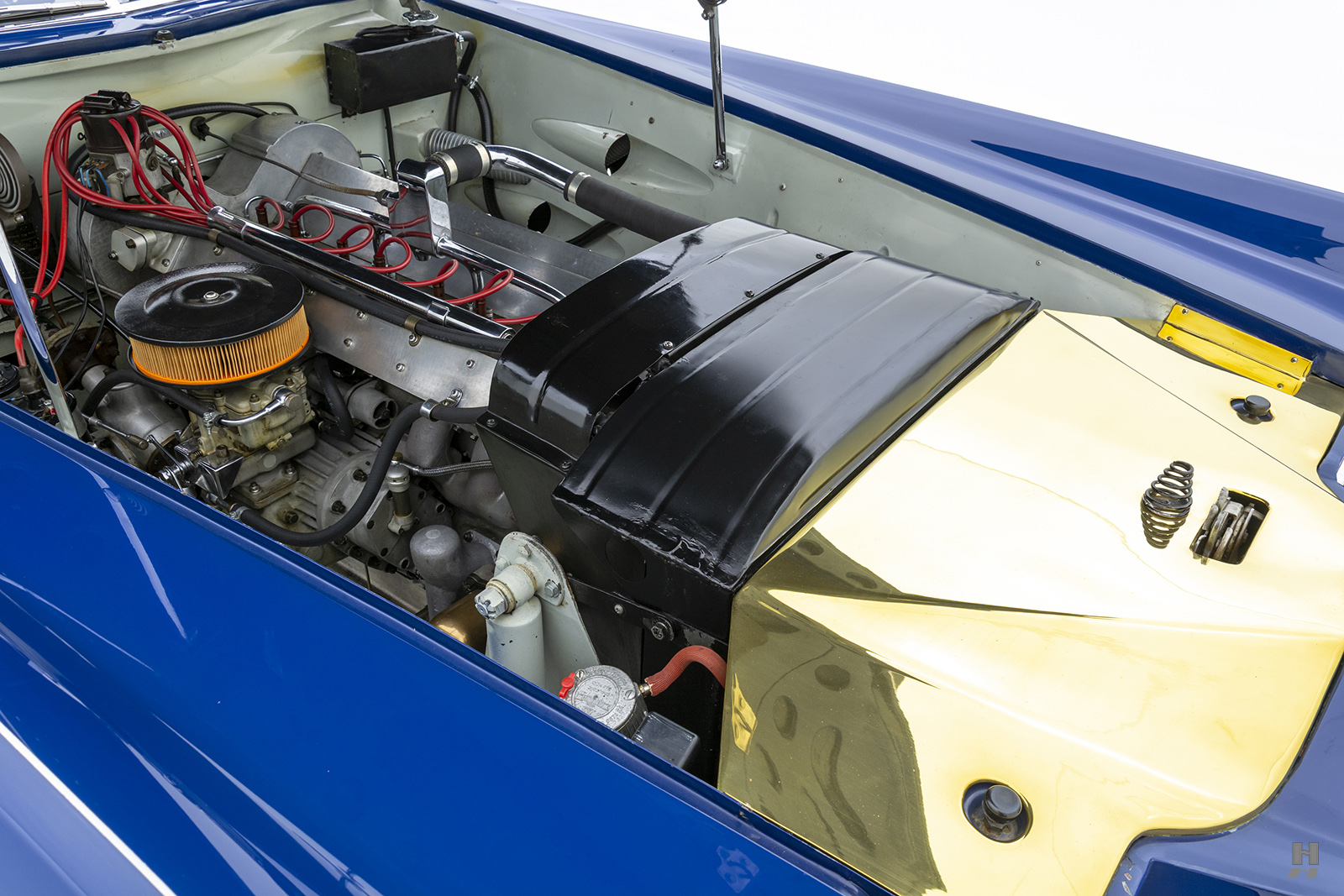
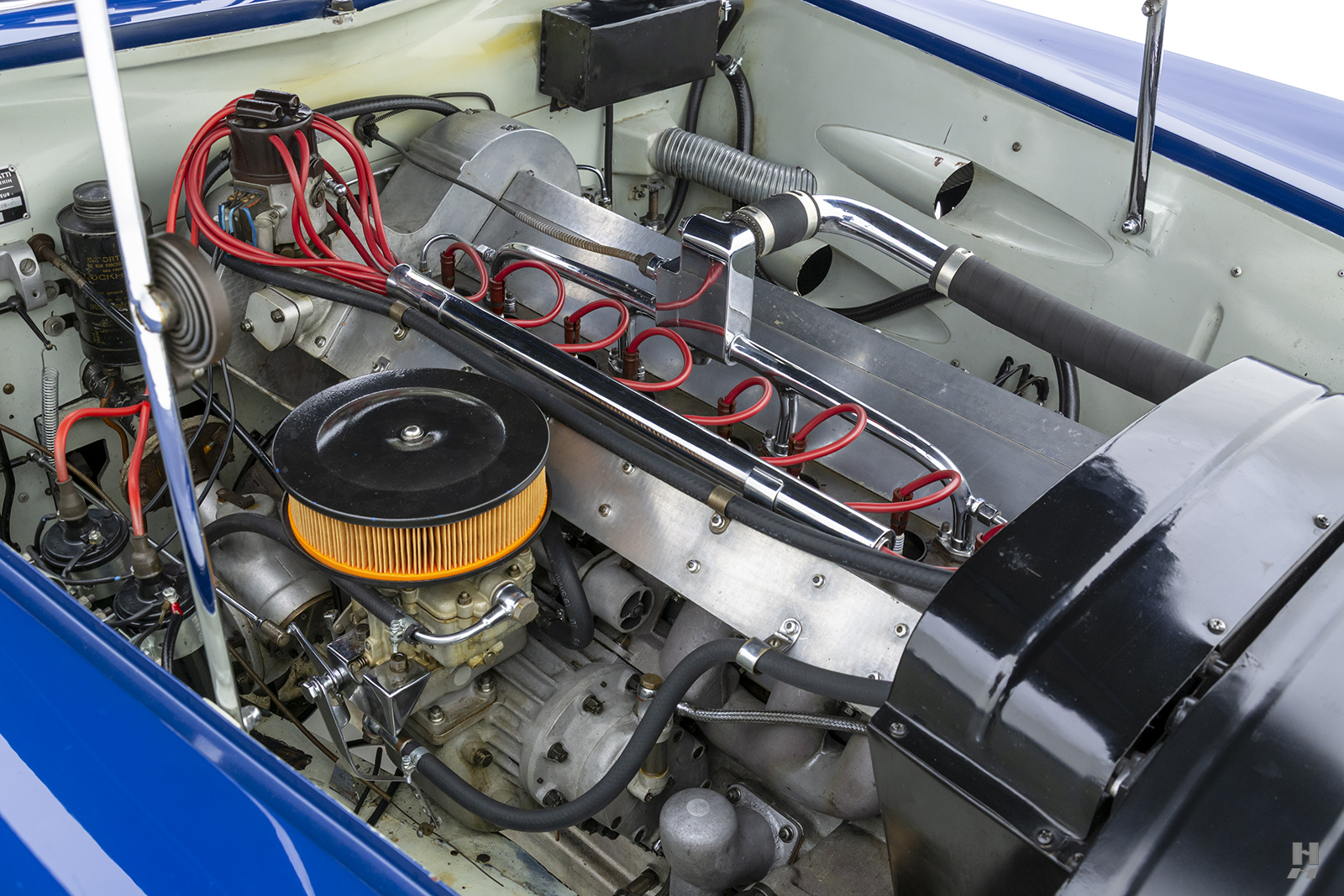
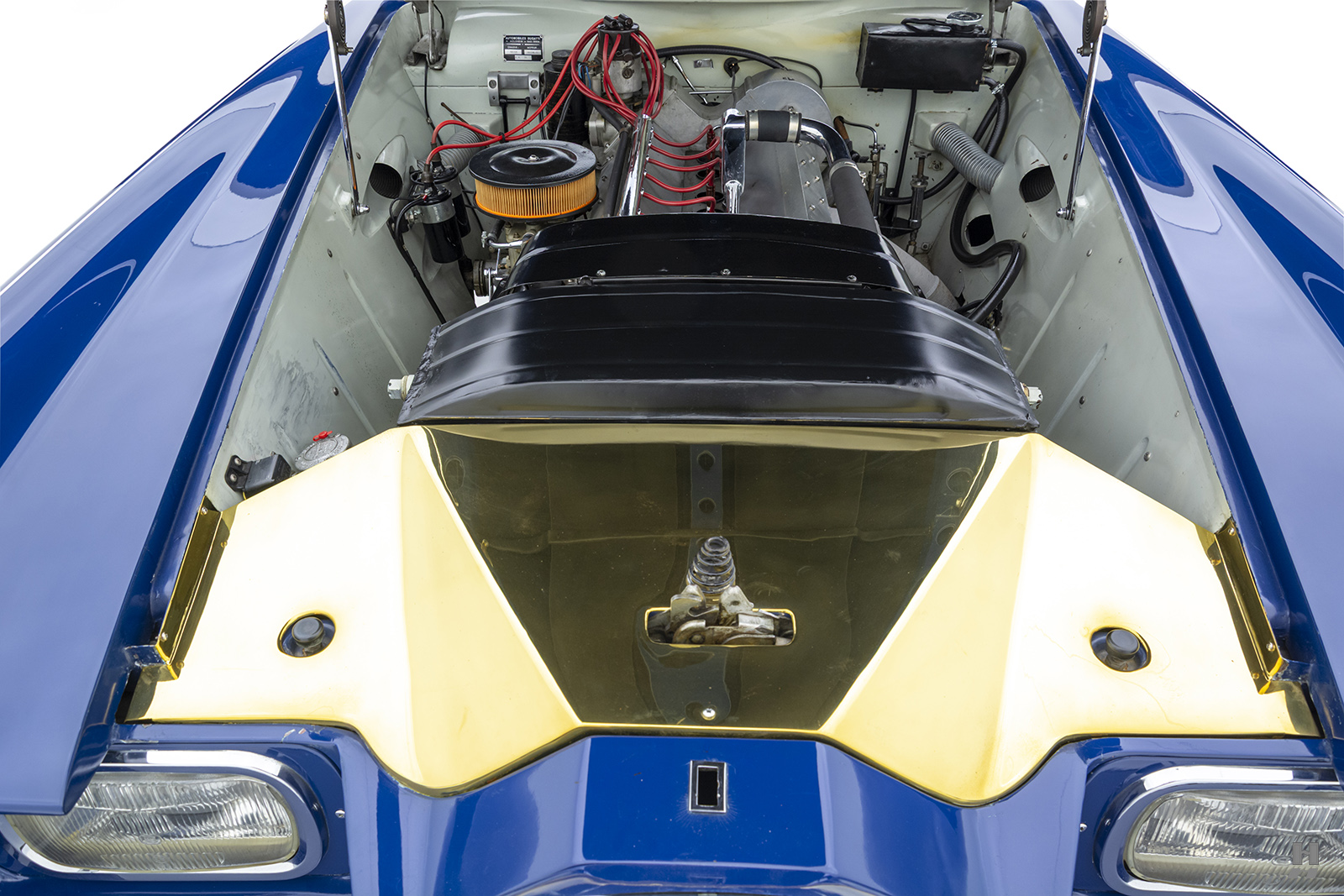
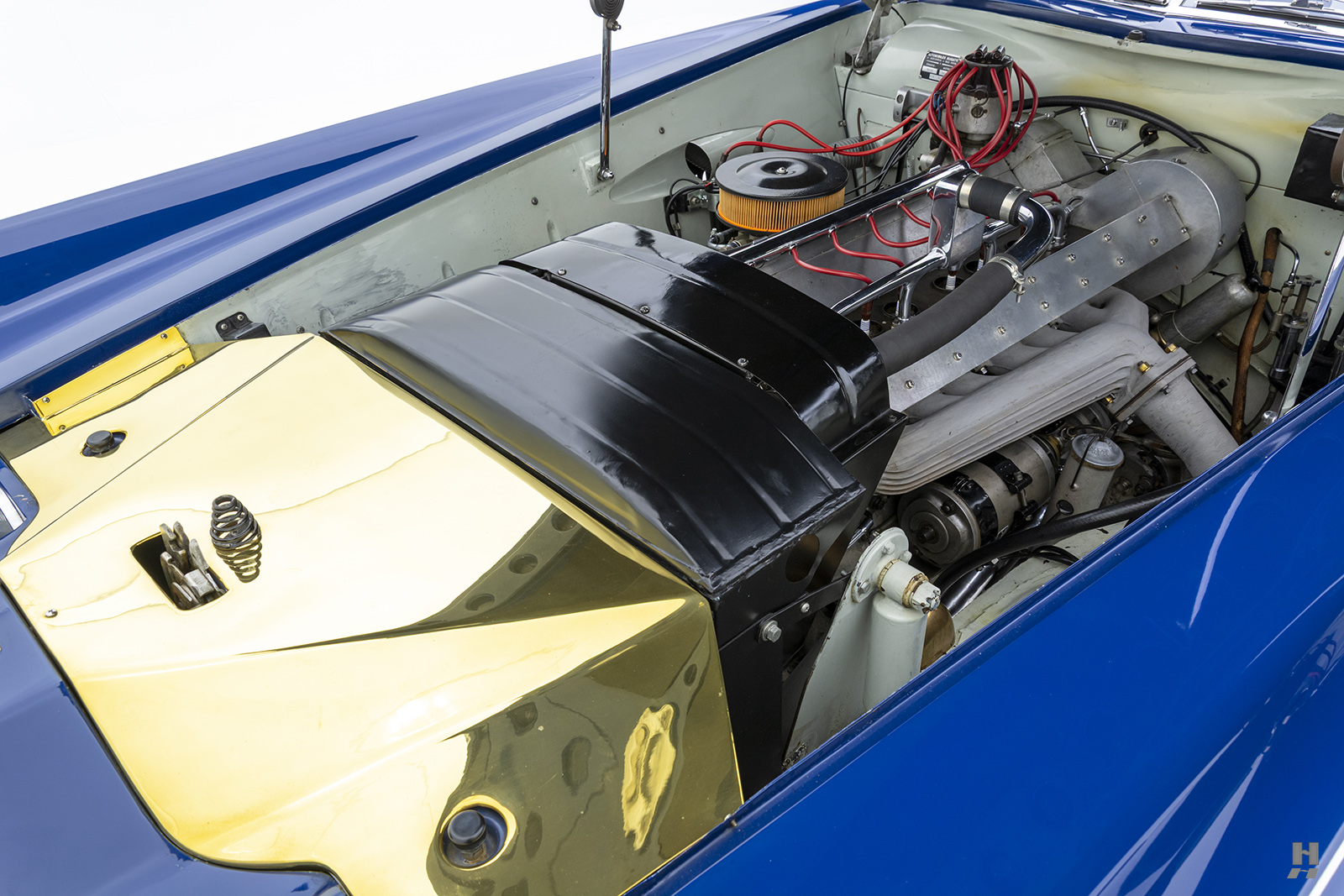
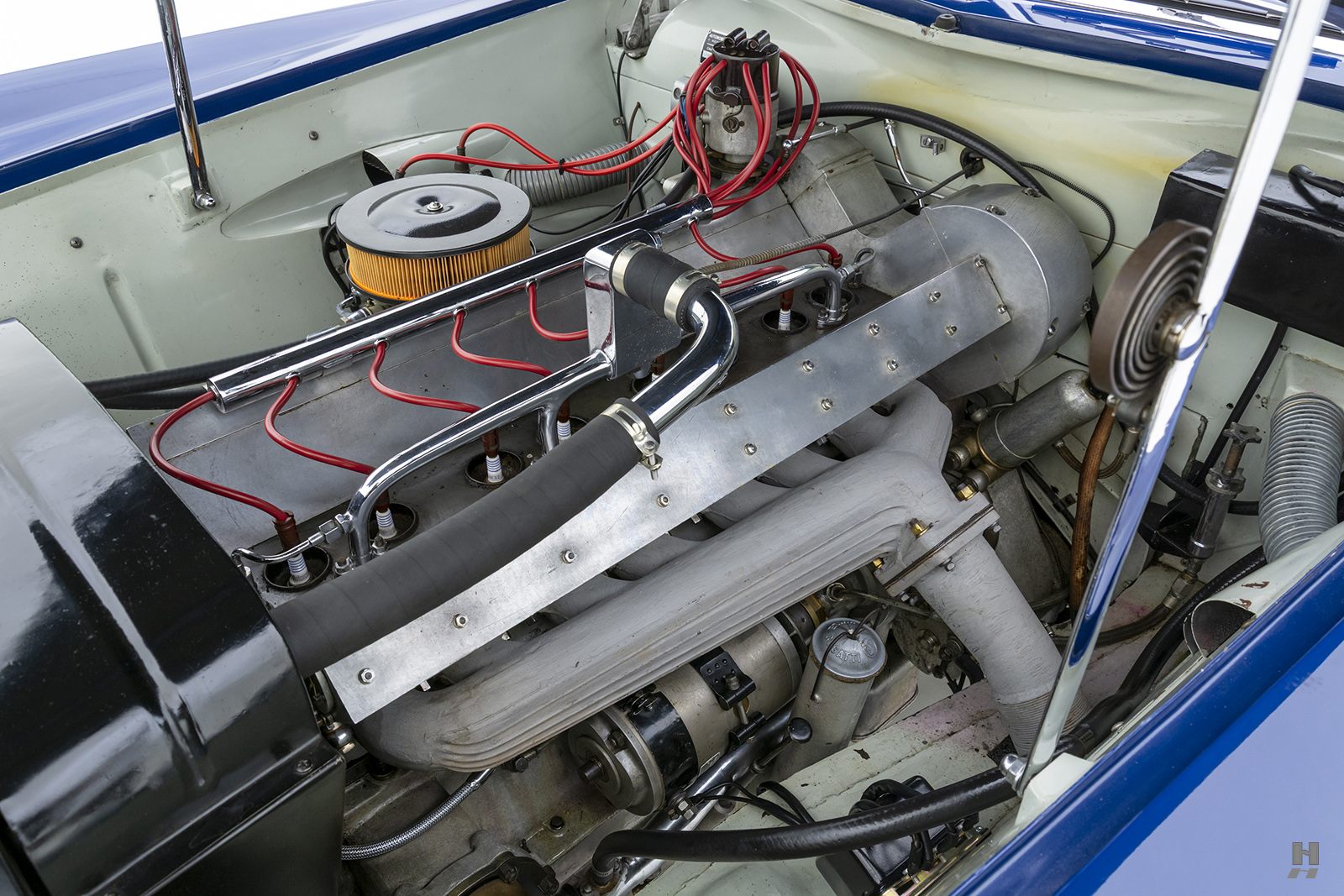
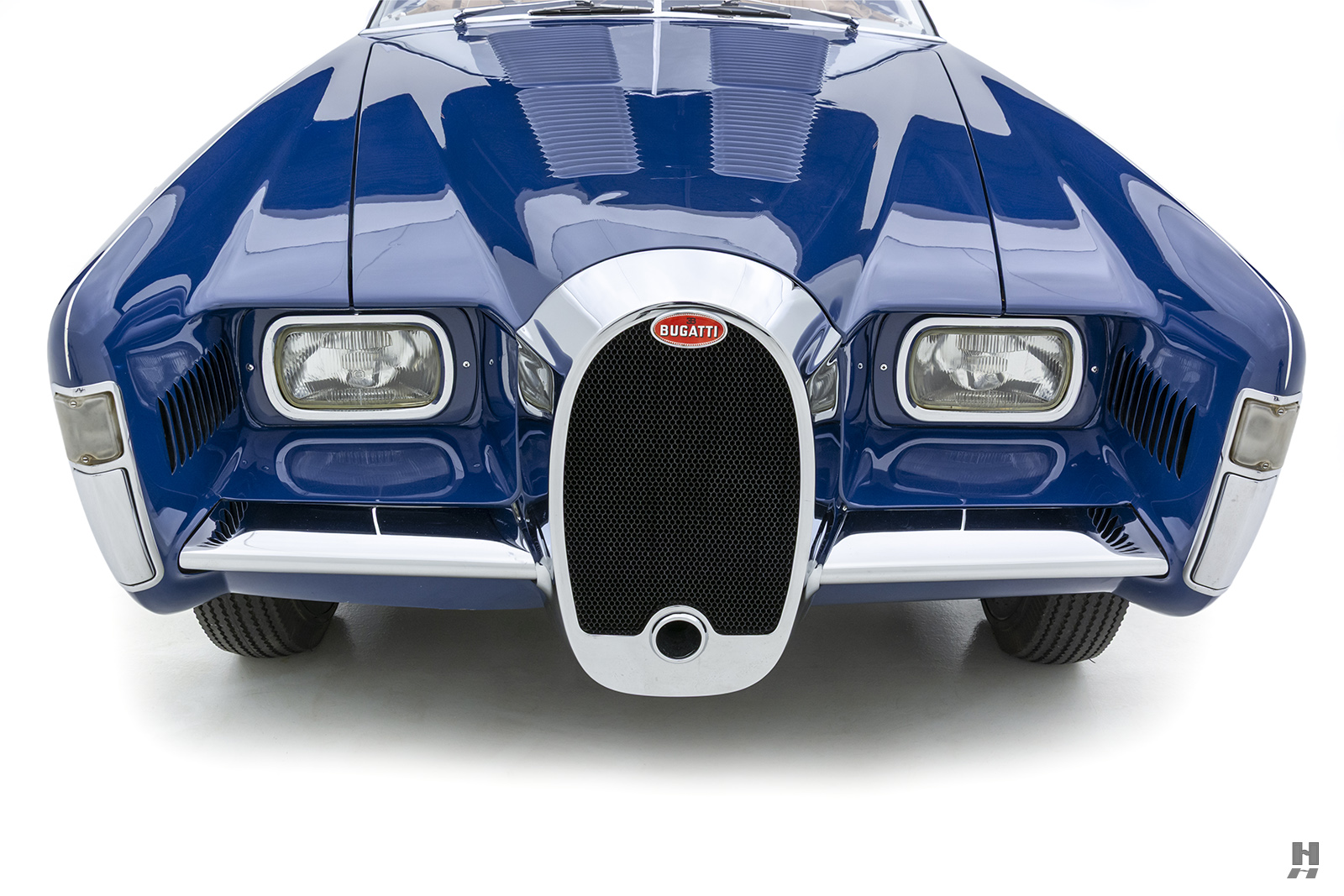
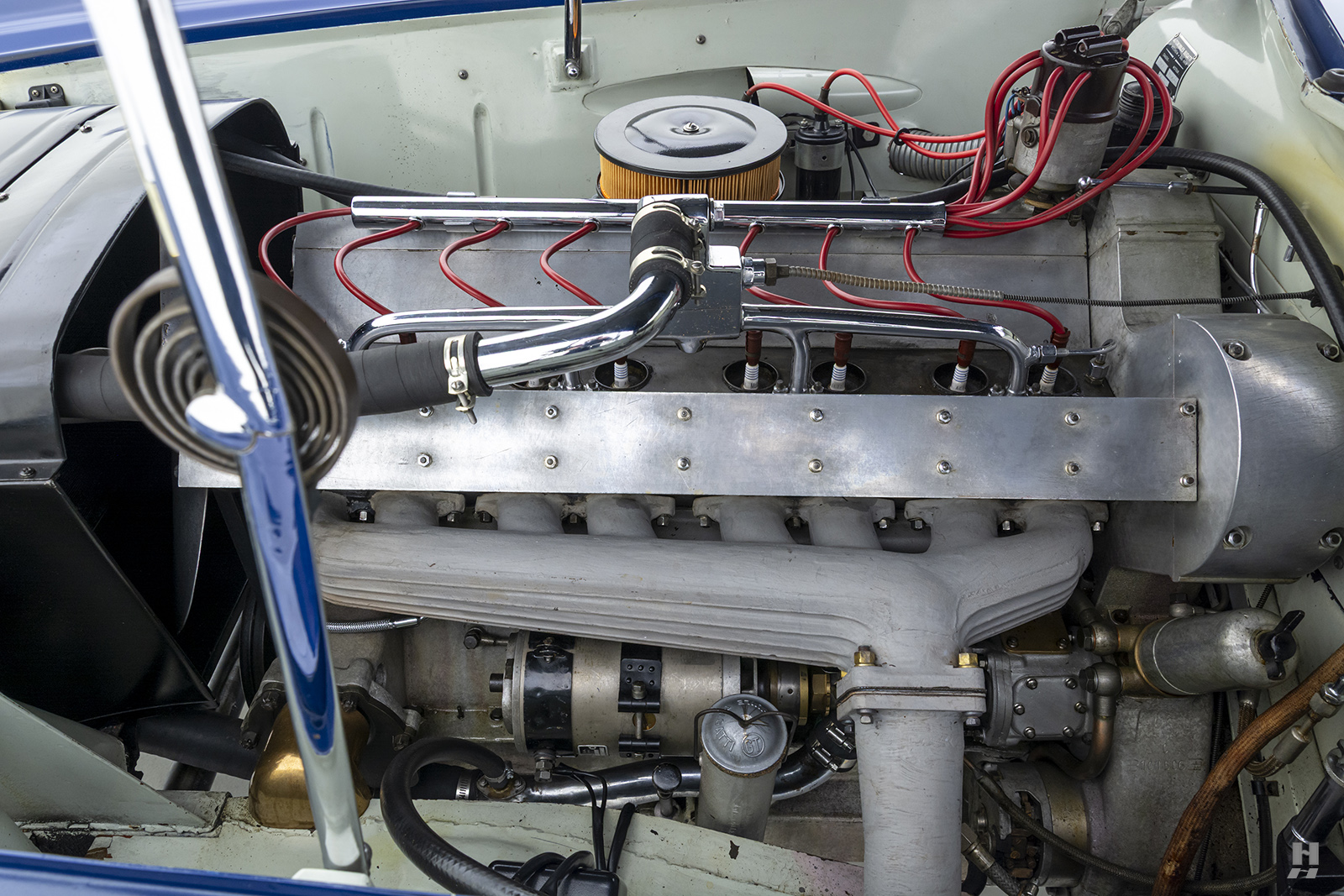
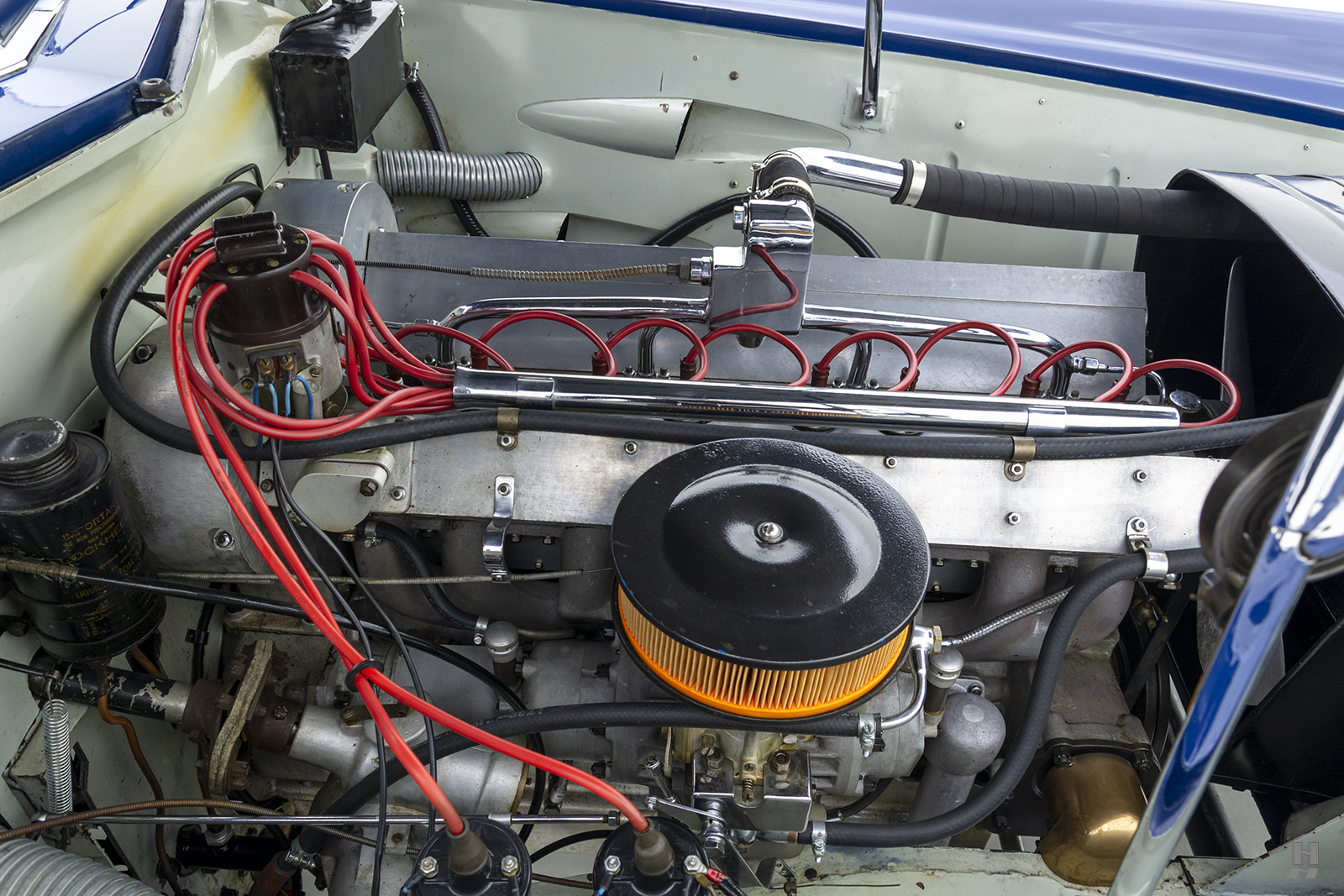
Essentially a freshened version of Jean Bugatti’s highly successful Type 57, the Type 101 utilized that car’s 3.3-liter, double overhead-cam inline 8-cylinder engine, offered with or without a supercharger. The chassis featured new Lockheed hydraulic brakes, and two gearbox options were listed – a Cotal electro-magnetic unit, or a Bugatti-designed five-speed which never materialized. It was undeniably powerful – the most powerful European road car of its time, in fact. In naturally aspirated form, the Type 101’s engine developed 135 horsepower, or an impressive 200 bhp equipped with the Weber carburetor and supercharger. Two Type 101 chassis debuted at the 1951 Paris Salon. Both cars, a 2-door saloon and convertible were bodied by Gangloff, which did a masterful job of masking the chassis’ pre-war roots while celebrating Bugatti’s legacy via the distinctive horseshoe grille.
Unfortunately, buyers weren’t convinced by the decidedly old-fashioned solid axle and fixed-head engine design. It was also enormously expensive to purchase and tax. Neither show car sold at the Salon and were retained by the factory. At least seven chassis were ultimately built: 57454 was the supercharged 2-door saloon by Gangloff. 101500 is the first official Type 101 prototype, bodied as a four-door saloon by Guillore. 101501 is the Gangloff convertible show car, and 101502 is believed to be another Guillore saloon. Chassis 101504 is a wild-looking supercharged coupe by Antem, and 101505 had long been missing. The final car, a supercharged 101C s/n 101506, remained unbodied and owned by the factory until 1961.
Bugatti Type 101C Chassis 101506C
The availability of any Bugatti Type 101 represents an incredibly rare opportunity for collectors, while the car offered here, chassis 101506, is perhaps the ultimate prize – the chance to own the very last Bugatti road car produced at Molsheim under the auspices of the Bugatti family.
S/N 101506 was the final Type 101C chassis built, and it languished at Molsheim without coachwork until 1961, when it was acquired (still bodyless) by E. Allen Henderson, a Bugatti collector from Marlboro, New Jersey. Henderson was a very private man, and his impressive collection was largely hidden away. In 1964, experiencing ill health, Henderson reached out to his friend and confidant, L. Scott Bailey, the publisher of the highly respected Automobile Quarterly, to discuss selling some cars, including the bare 101C chassis.
Bailey had the Bugatti in mind while attending a gala for the launch of Virgil Exner’s Duesenberg revival, held at the designer’s new Birmingham, Michigan studio, having recently retired from Chrysler. The Duesenberg Model D prototype was the first realization of the Exner ‘Revival Series.’ Initiating as an idea in Esquire magazine in the early 1960s, the project centered on modern interpretations of defunct prestige brands – not retro, not replica – but evocations of storied automakers as if they never disappeared in the first place. The illustrations – initially including Duesenberg, Stutz, Mercer and Packard – caught the attention of New York based model car company Renwal, who licensed the designs for 1:25 scale plastic model kits. Three more marques were added, including Pierce-Arrow, the Jordan Playboy, and, of course, Bugatti.
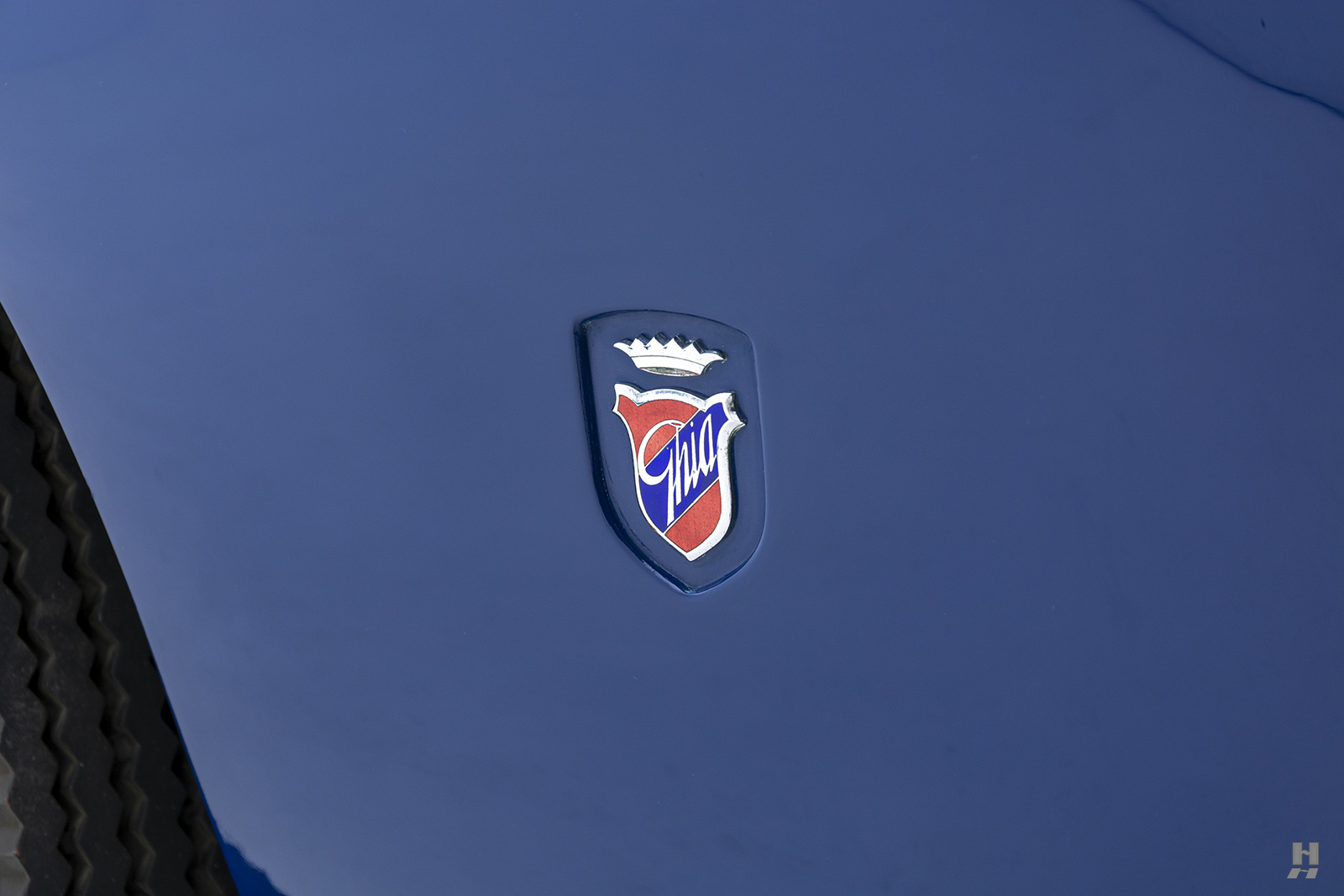
The project soon took on a life of its own and grew beyond the scope of illustrations and plastic kits, with several of the cars taking shape in full-scale form. Virgil Exner, Sr. had a long and fruitful relationship with Carrozzeria Ghia of Italy, and it was Ghia who brought the Duesenberg concept to reality. The Stutz, with significant revisions and independent backers, went into limited production as the 1970 Stutz Blackhawk by Carrozzeria Padane, and the Mercer was realized on a 289 Cobra Chassis by Carrozzeria Sibona-Basano.
Back in Birmingham for the Duesenberg unveiling, L. Scott Bailey approached Exner mentioning the existence of the 101C – the perfect basis to bring his Bugatti concept to life. Intrigued by this possibility, Exner and company arranged a trip to New Jersey to meet with the reclusive Mr. Henderson. Upon their arrival, the housekeeper opened the barn to reveal a trove of fourteen dusty Bugattis, including a Type 57 Galibier sedan, Type 57SC Corsica Roadster, and a bodyless, running chassis with a box for a seat, bearing the chassis number 101506. A deal was soon made for $2,500, and the 101C was roused from its slumber as Virgil Exner Jr. and his best friend Mike Cleary towed it behind Exner’s 1964 Plymouth station wagon.
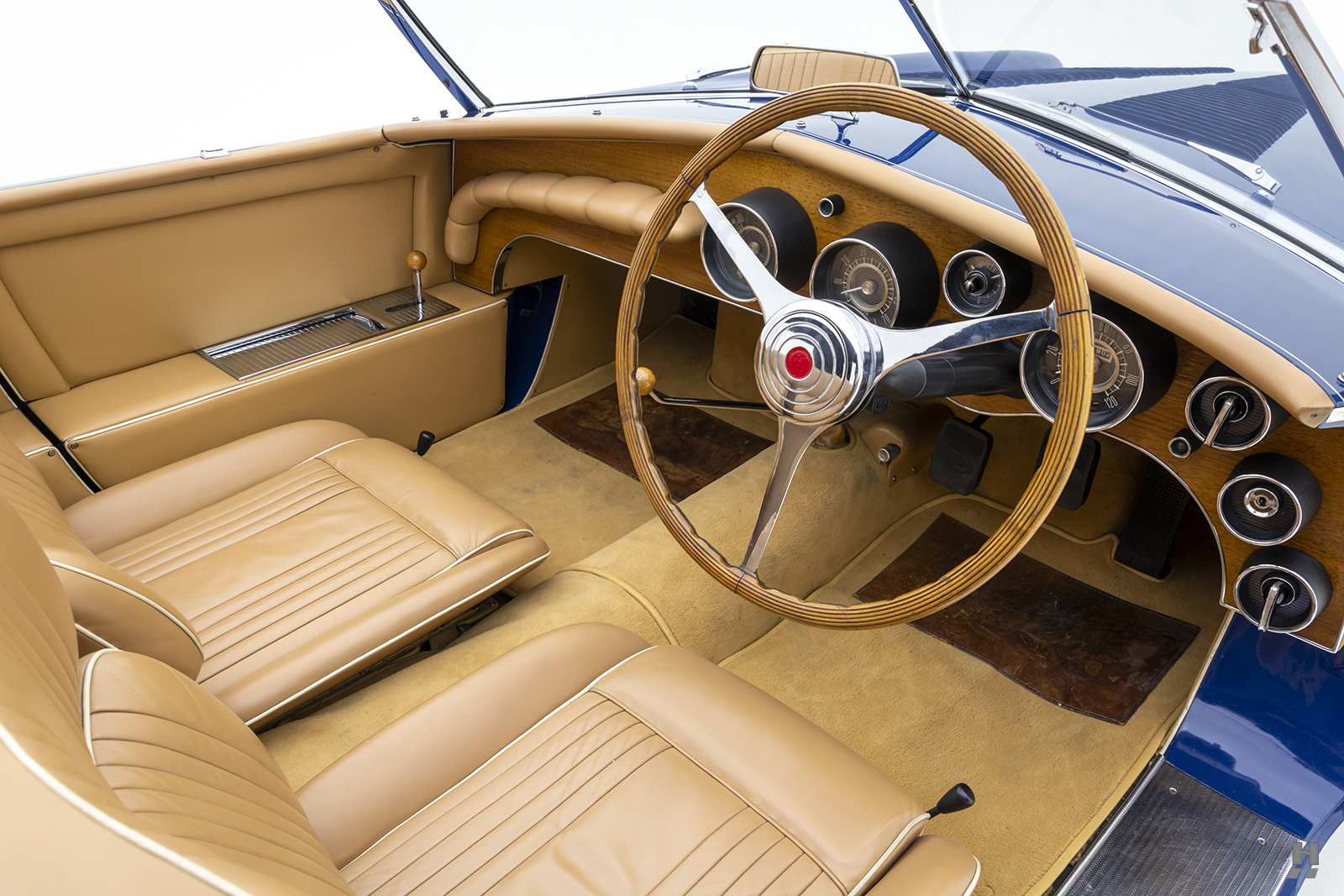
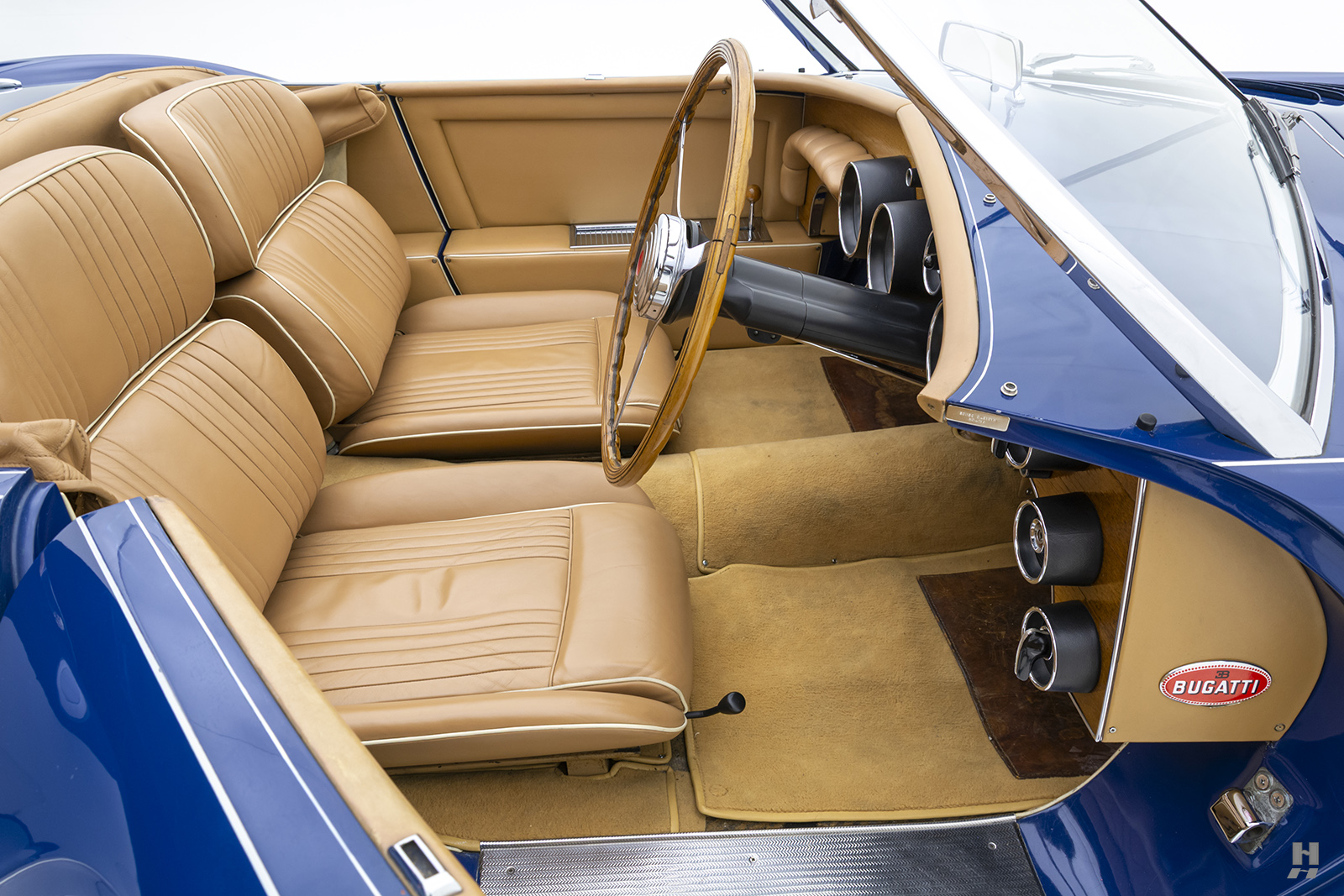
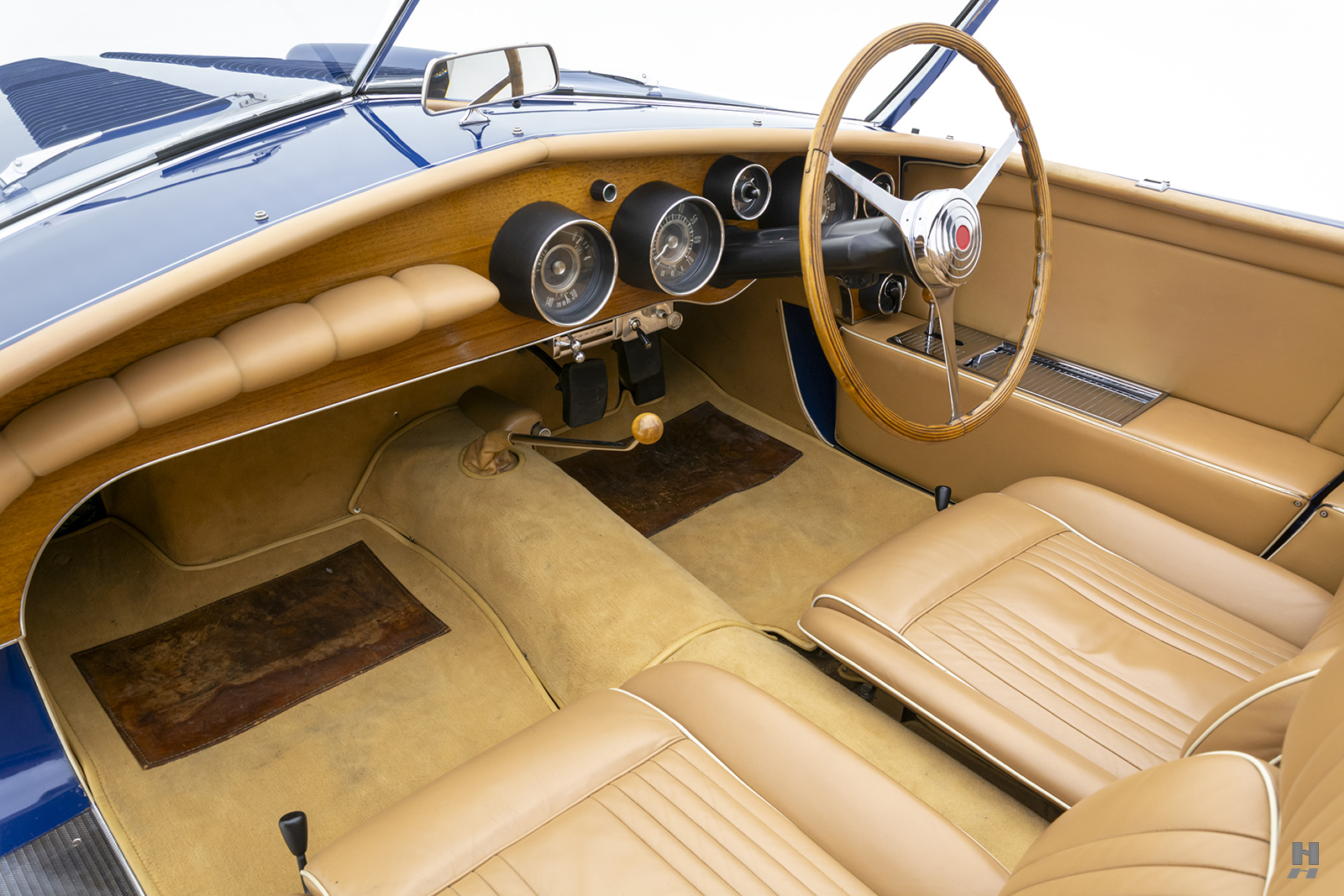
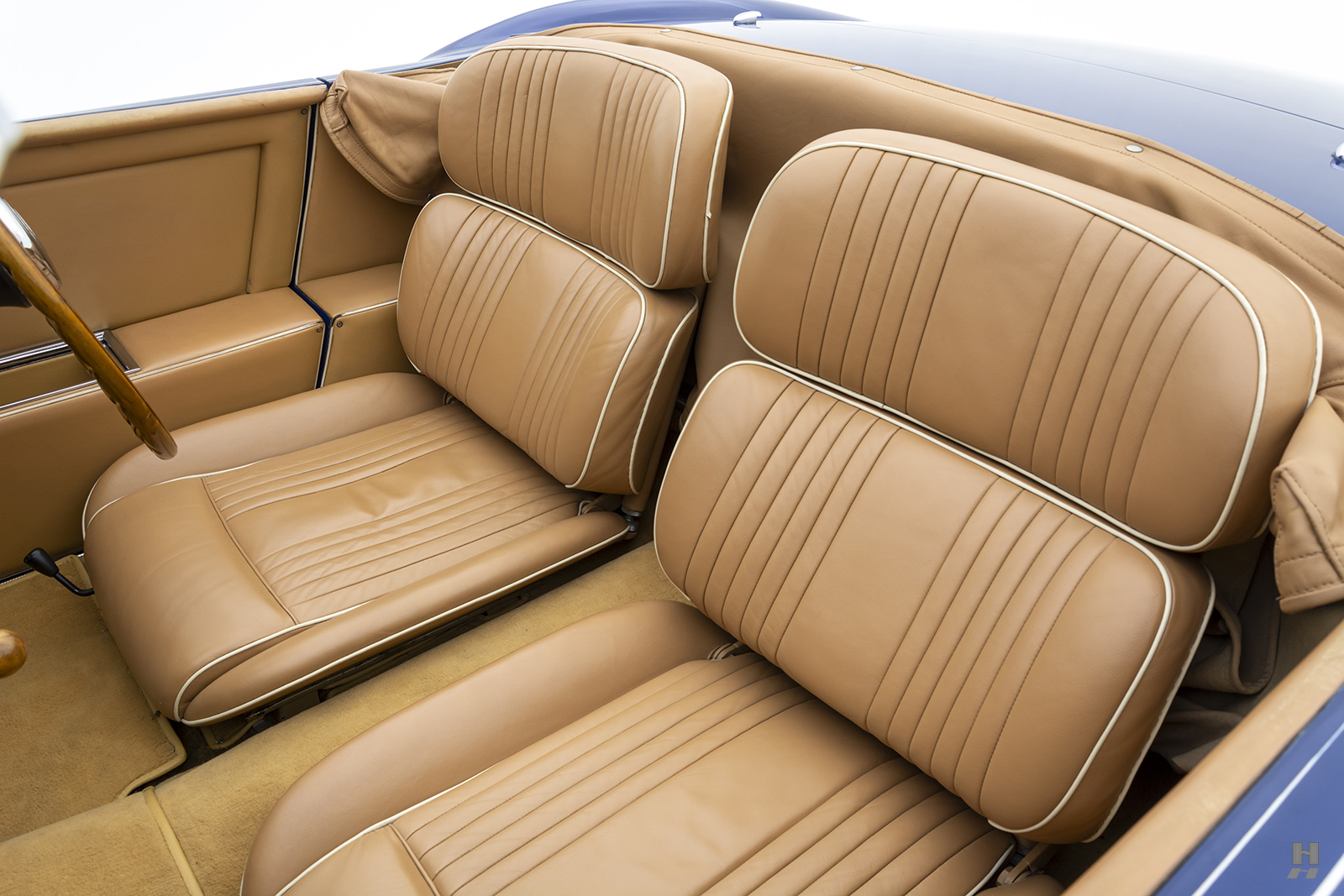
The lithe roadster body necessitated shortening the chassis by 18-inches, a task undertaken by Exner Jr. and Mike Cleary. Some re-engineering was required to achieve the lowered seating position, and while the car was originally fitted with a Cotal gearbox, a conventional four-speed was adopted. Virgil Exner Sr. and his team constructed clay models of the body, Exner Jr. designed the interior, and all was sent to Carrozzeria Ghia to bring the car to life in the metal.
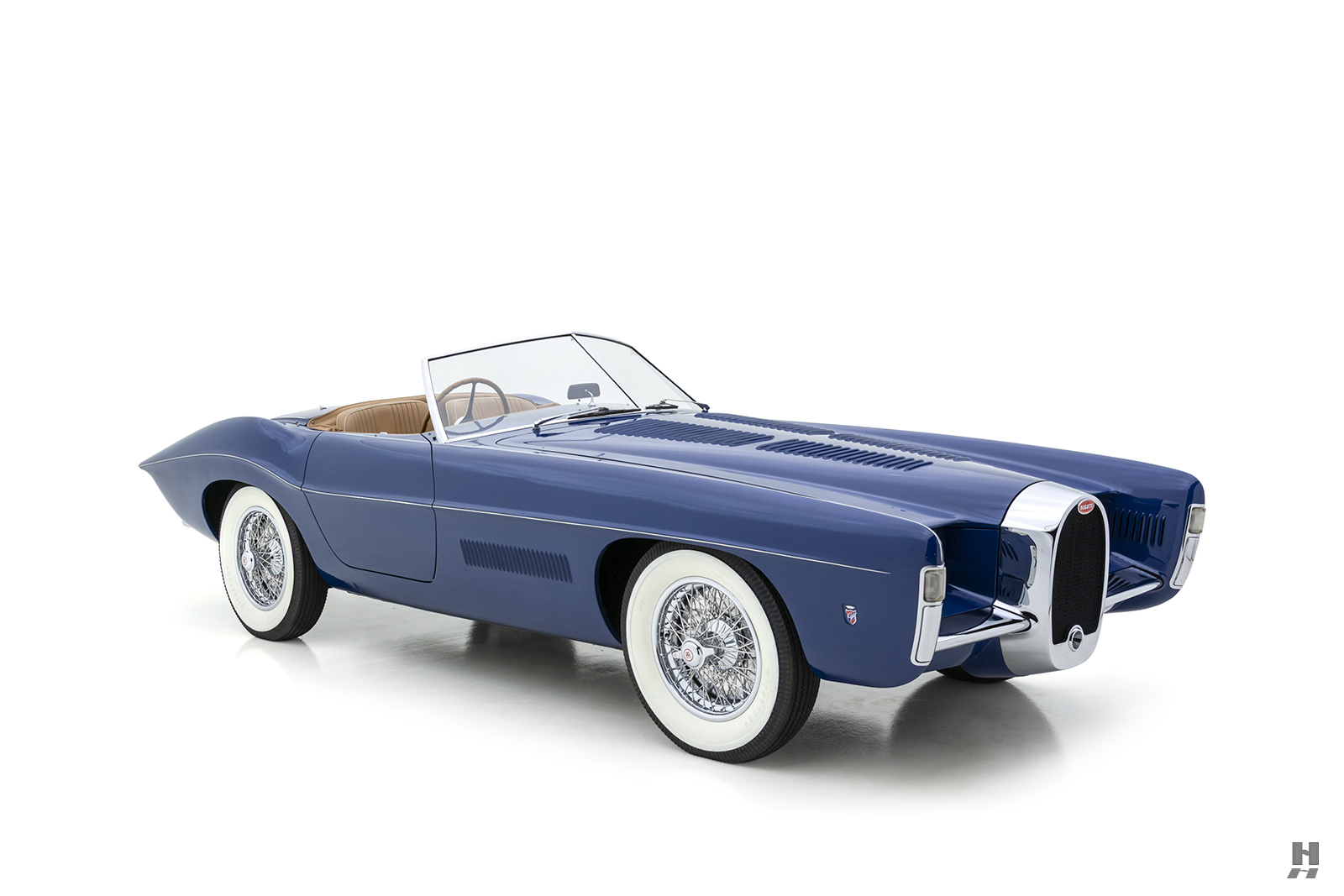
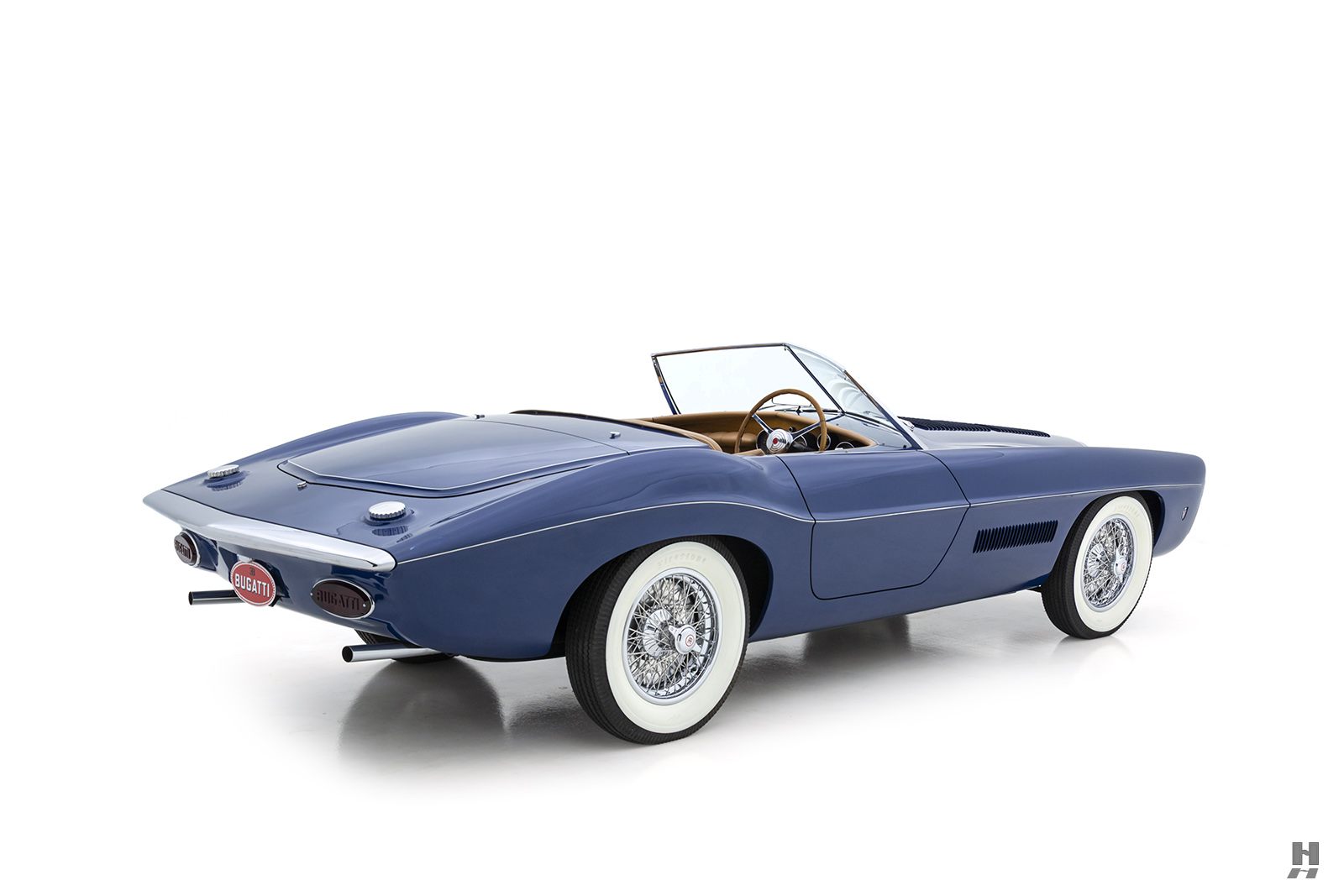
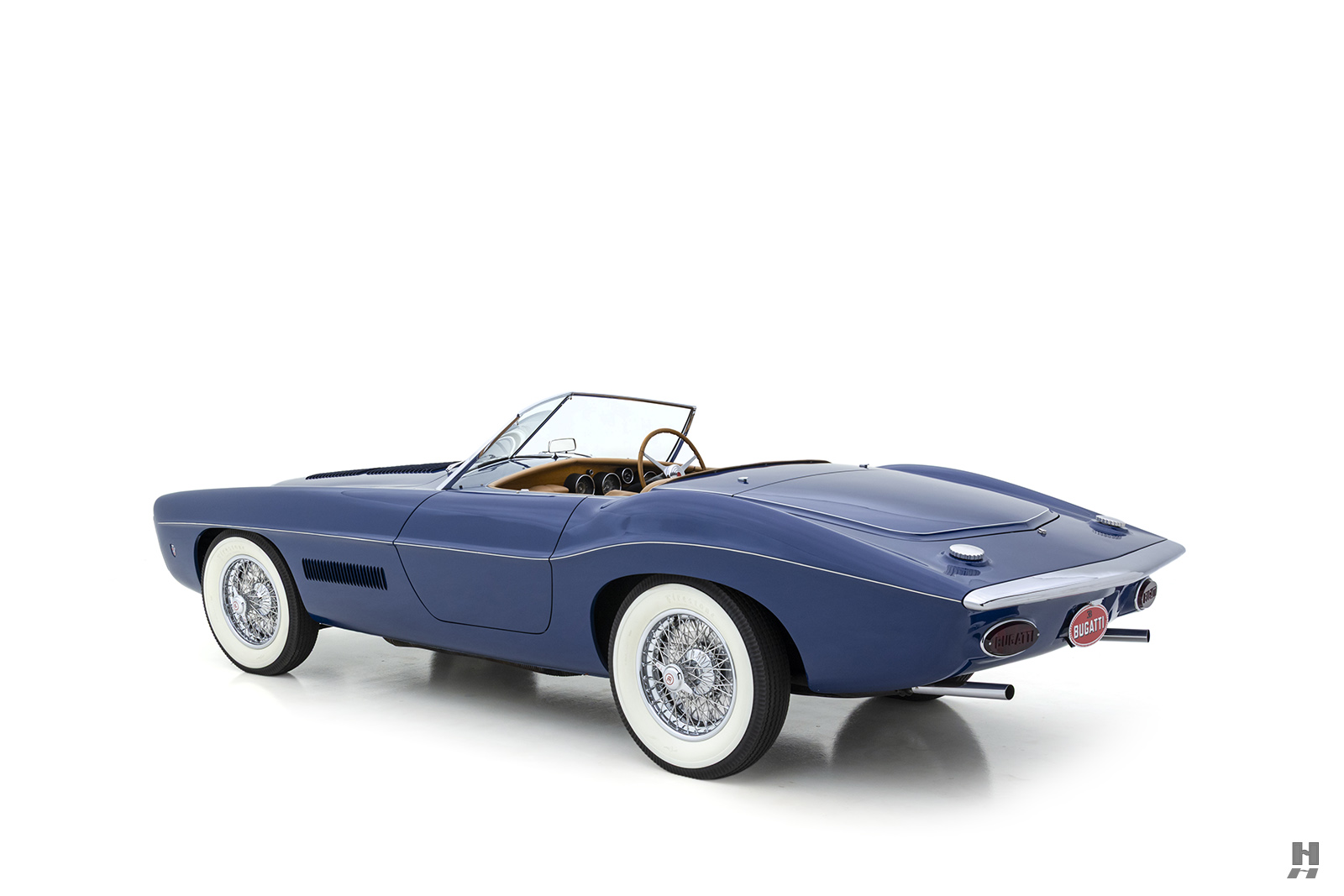
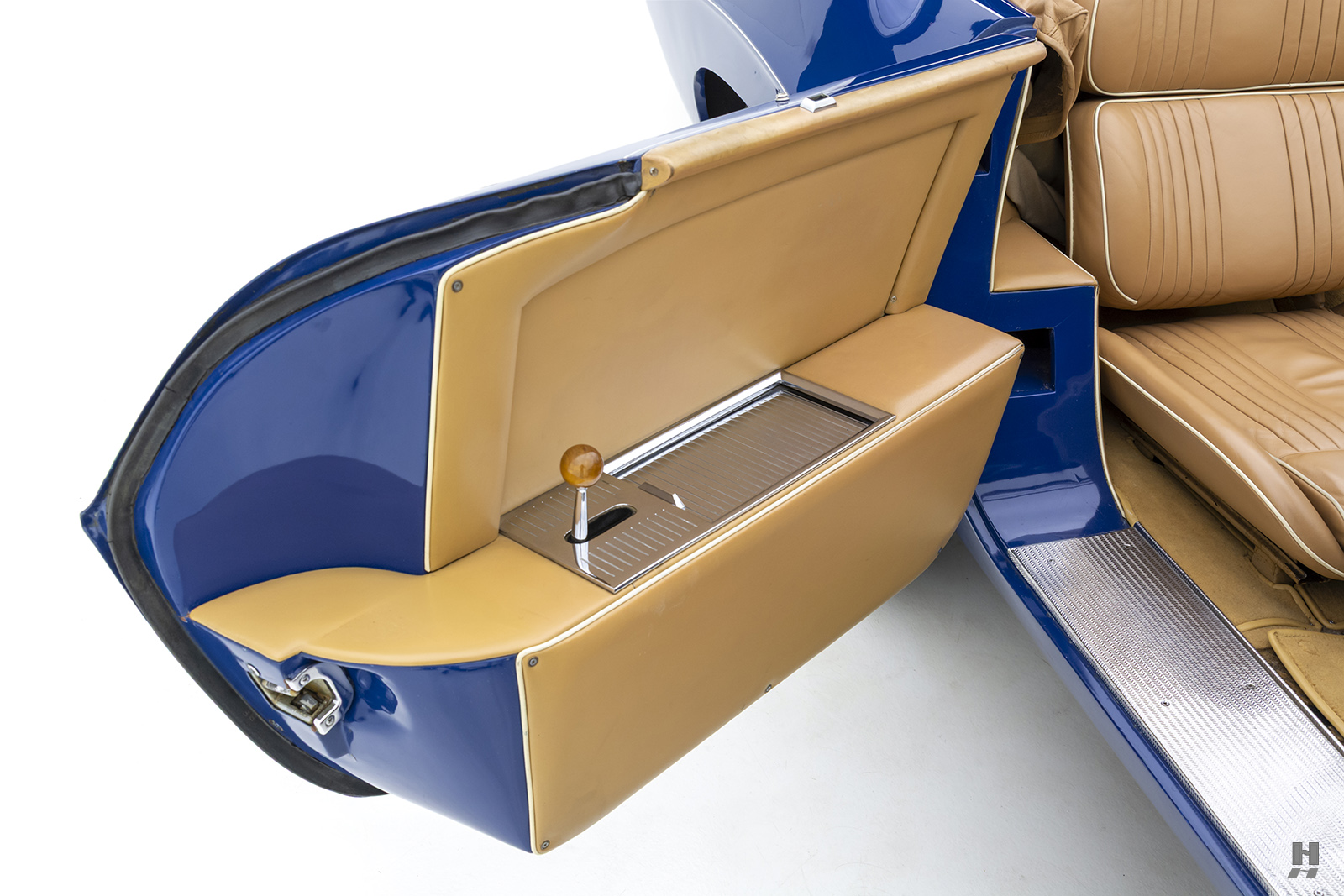
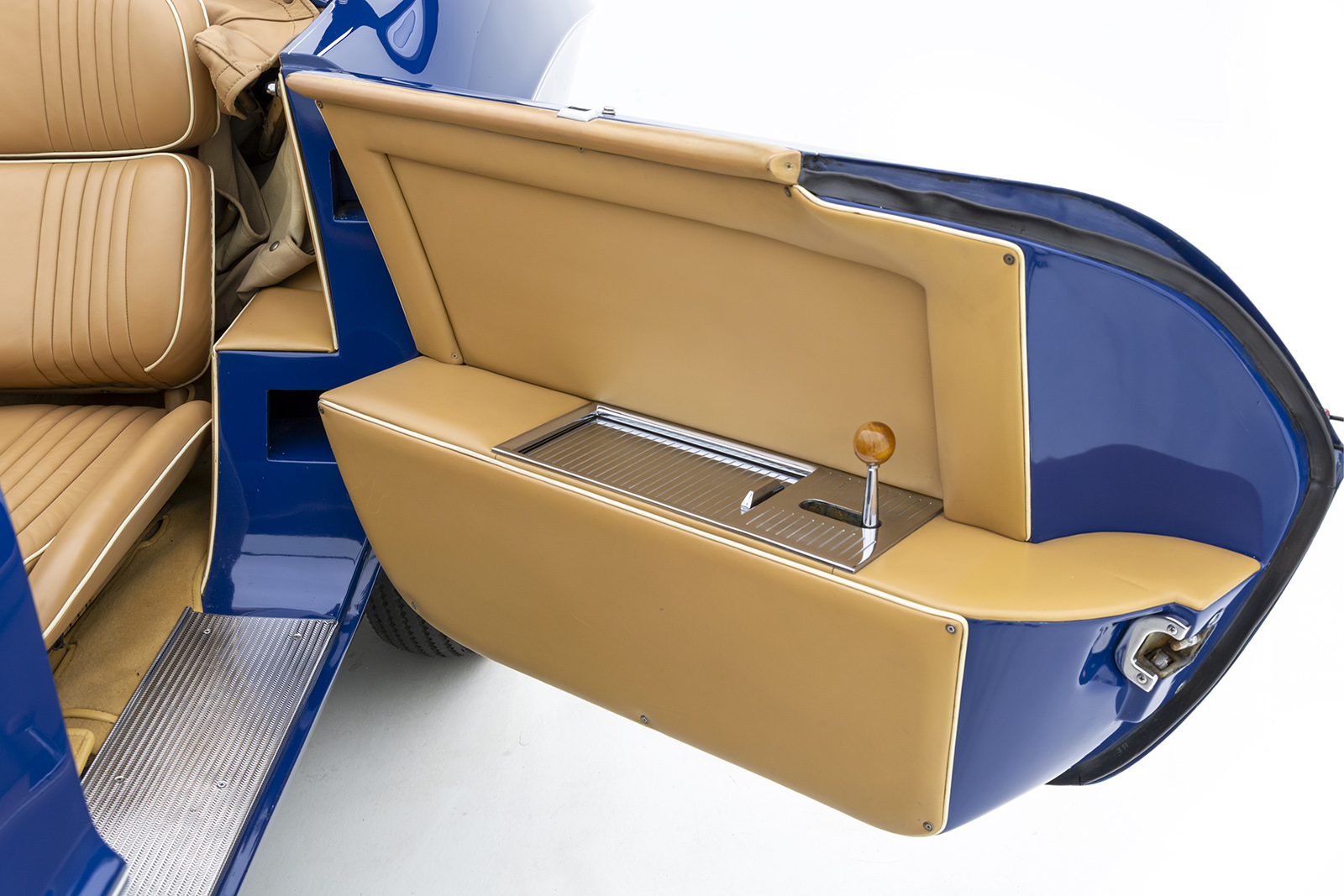
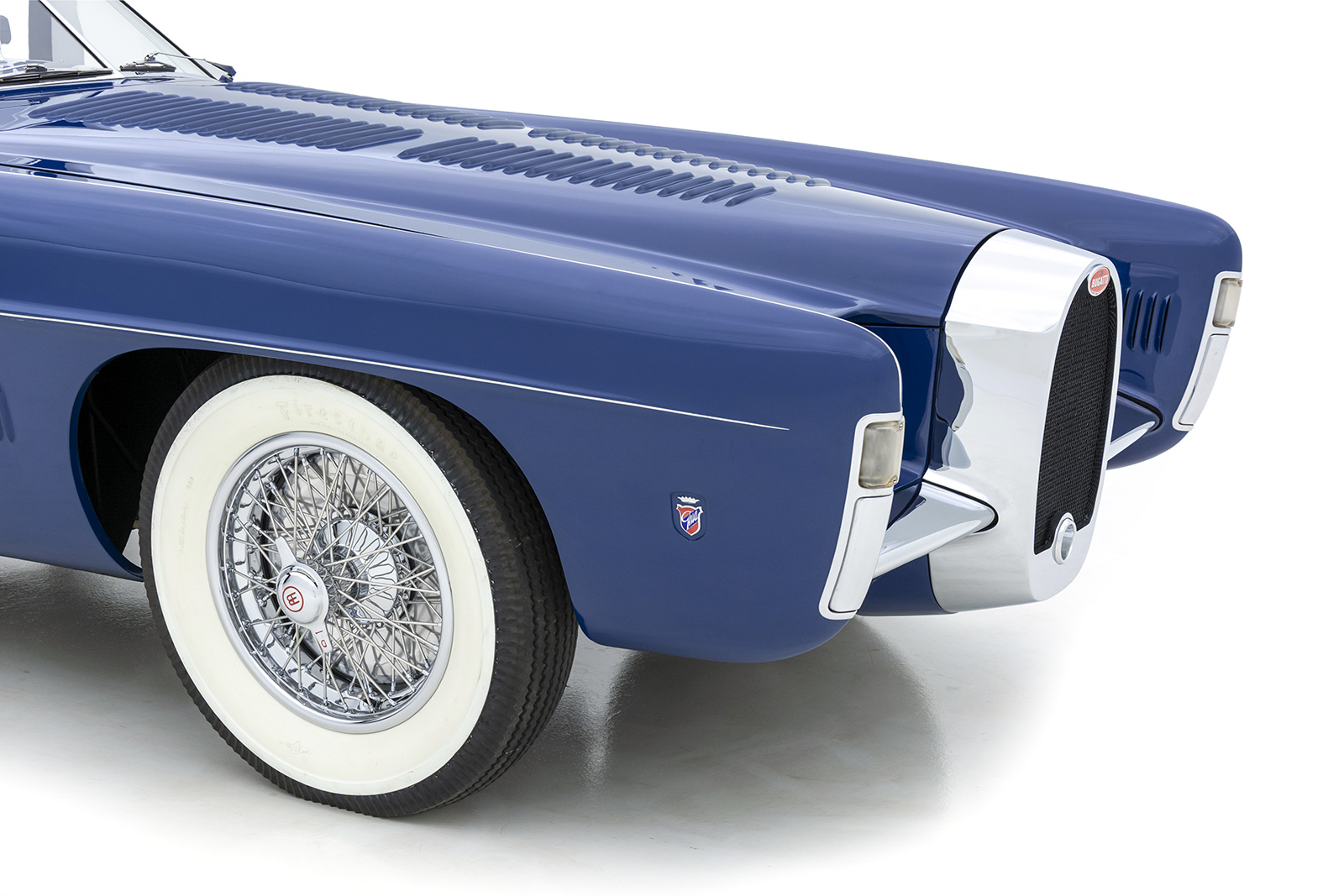
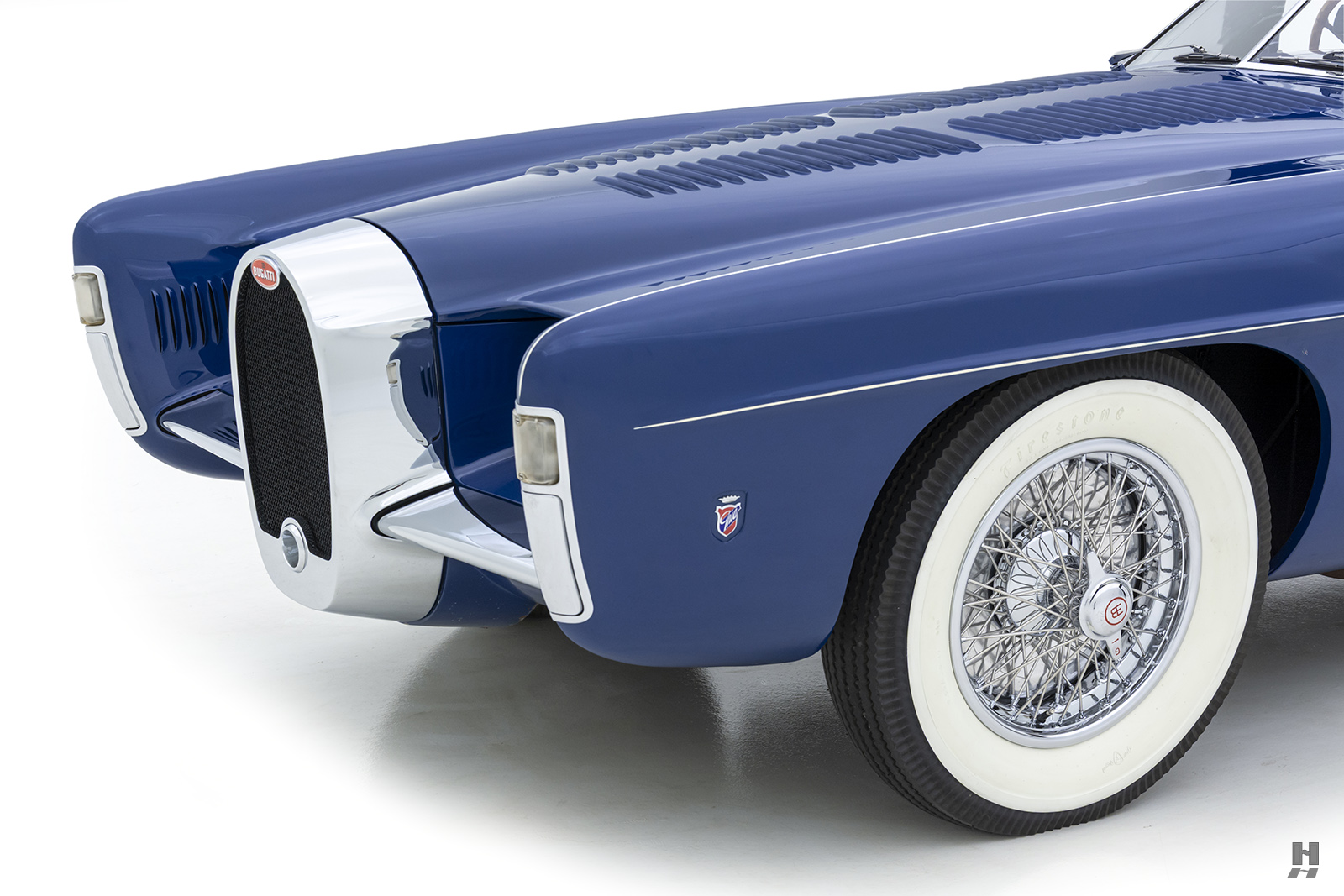
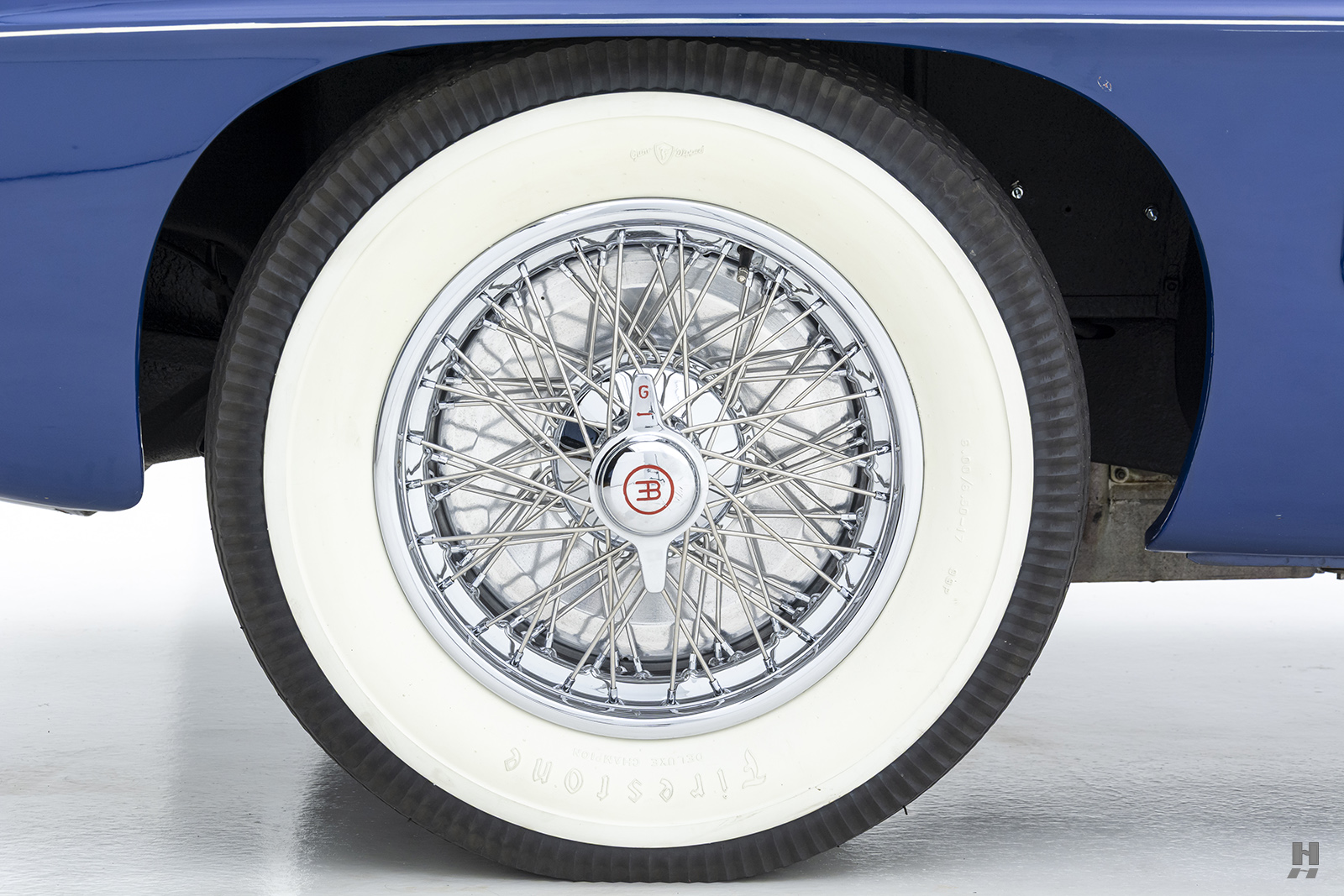
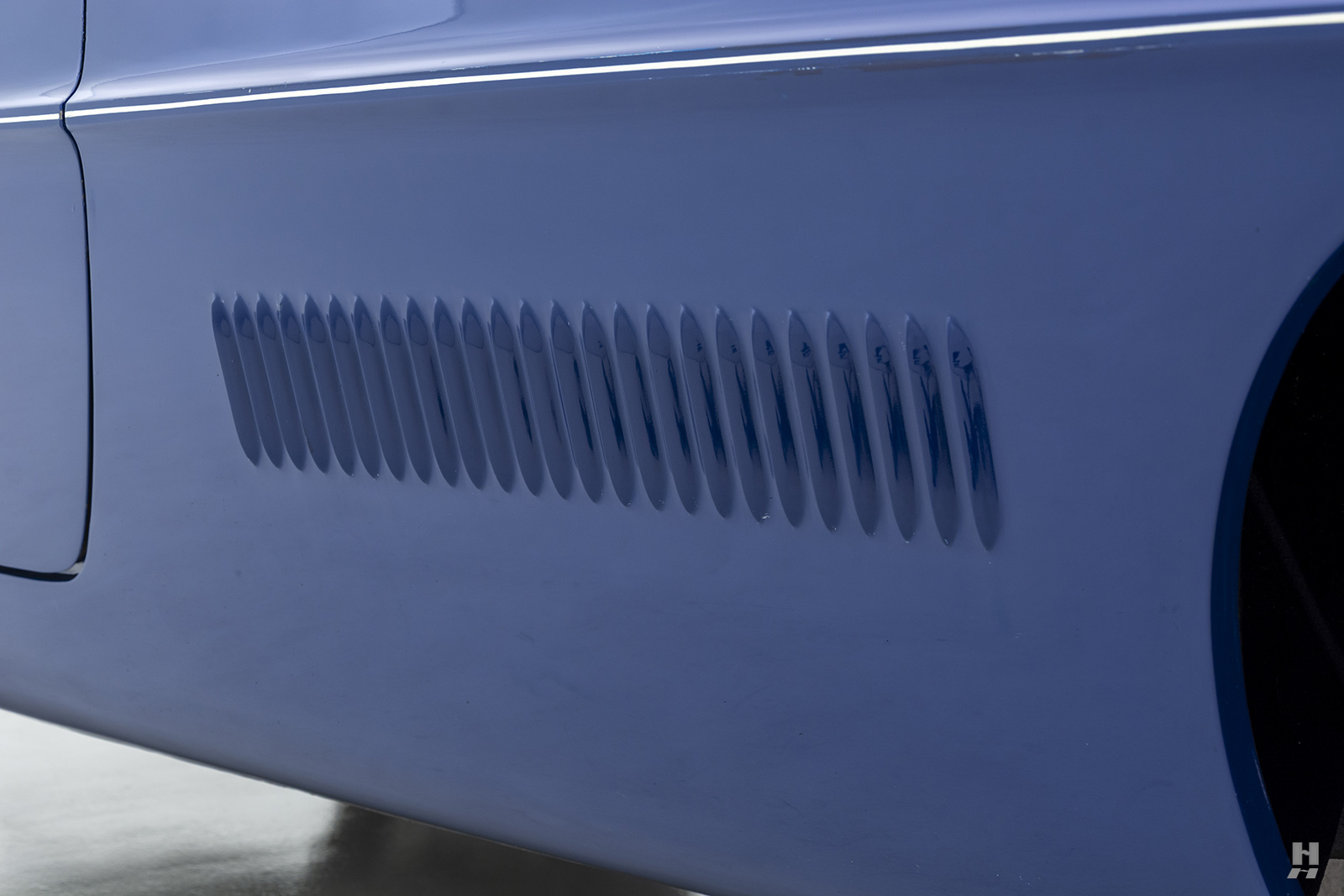
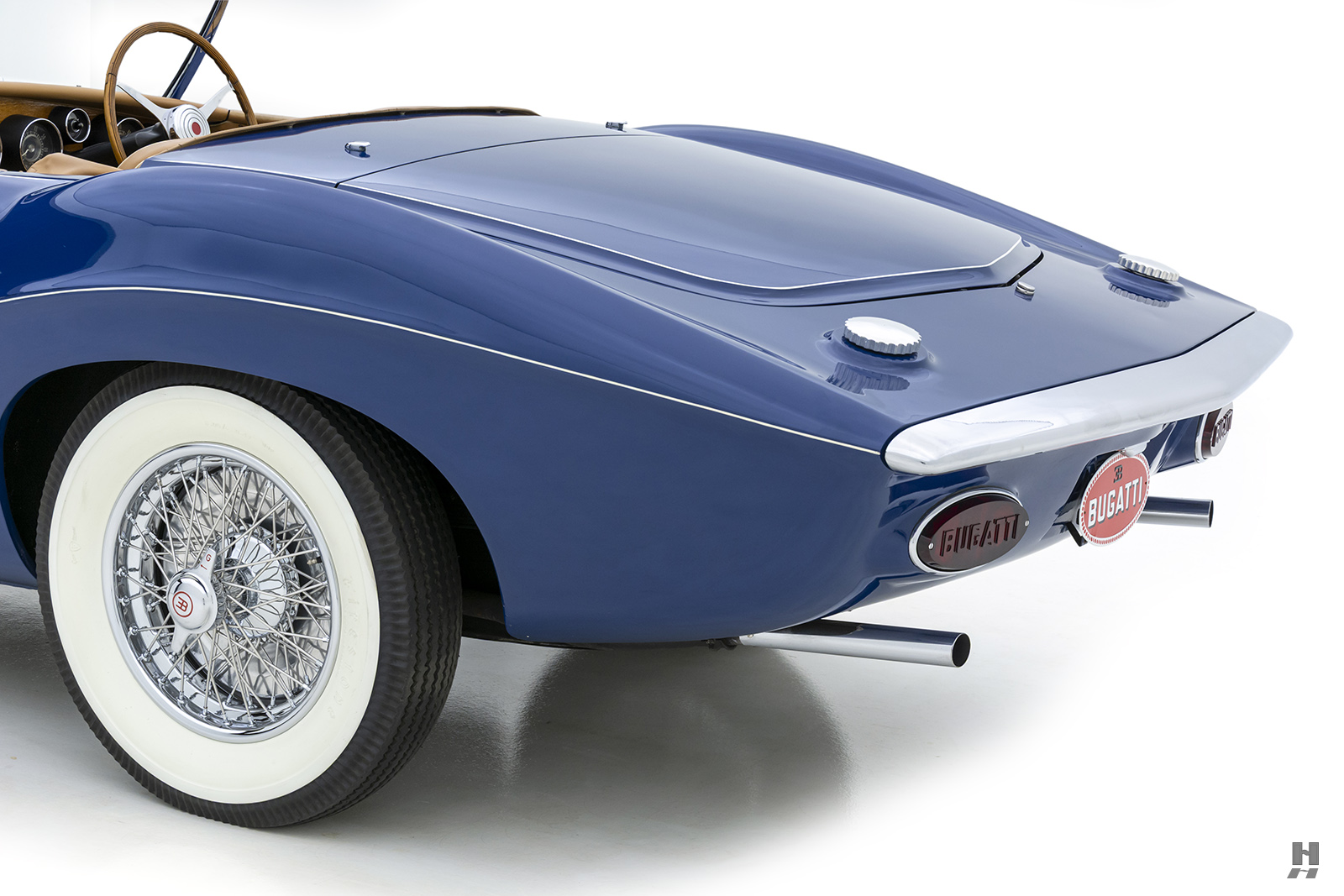
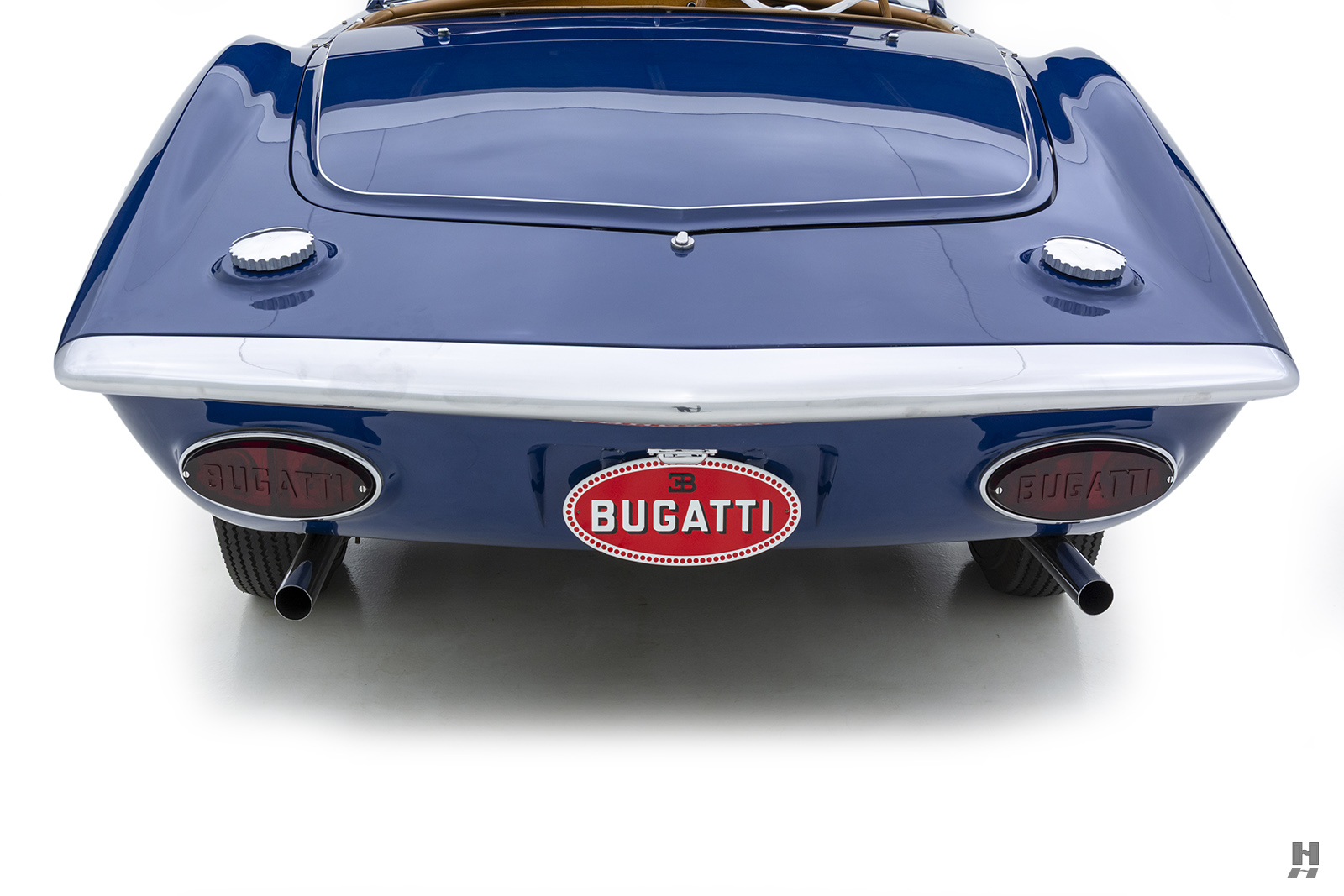
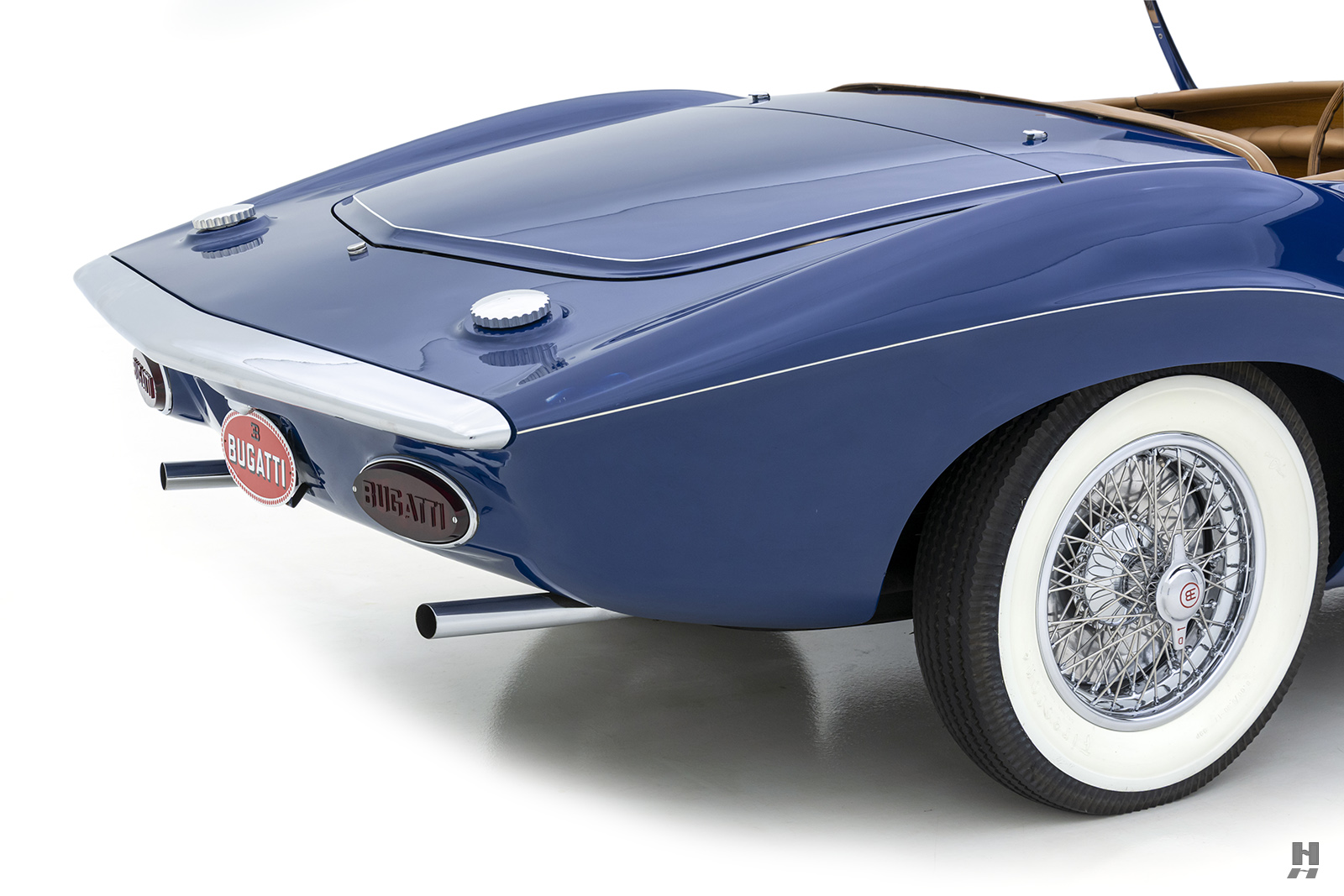
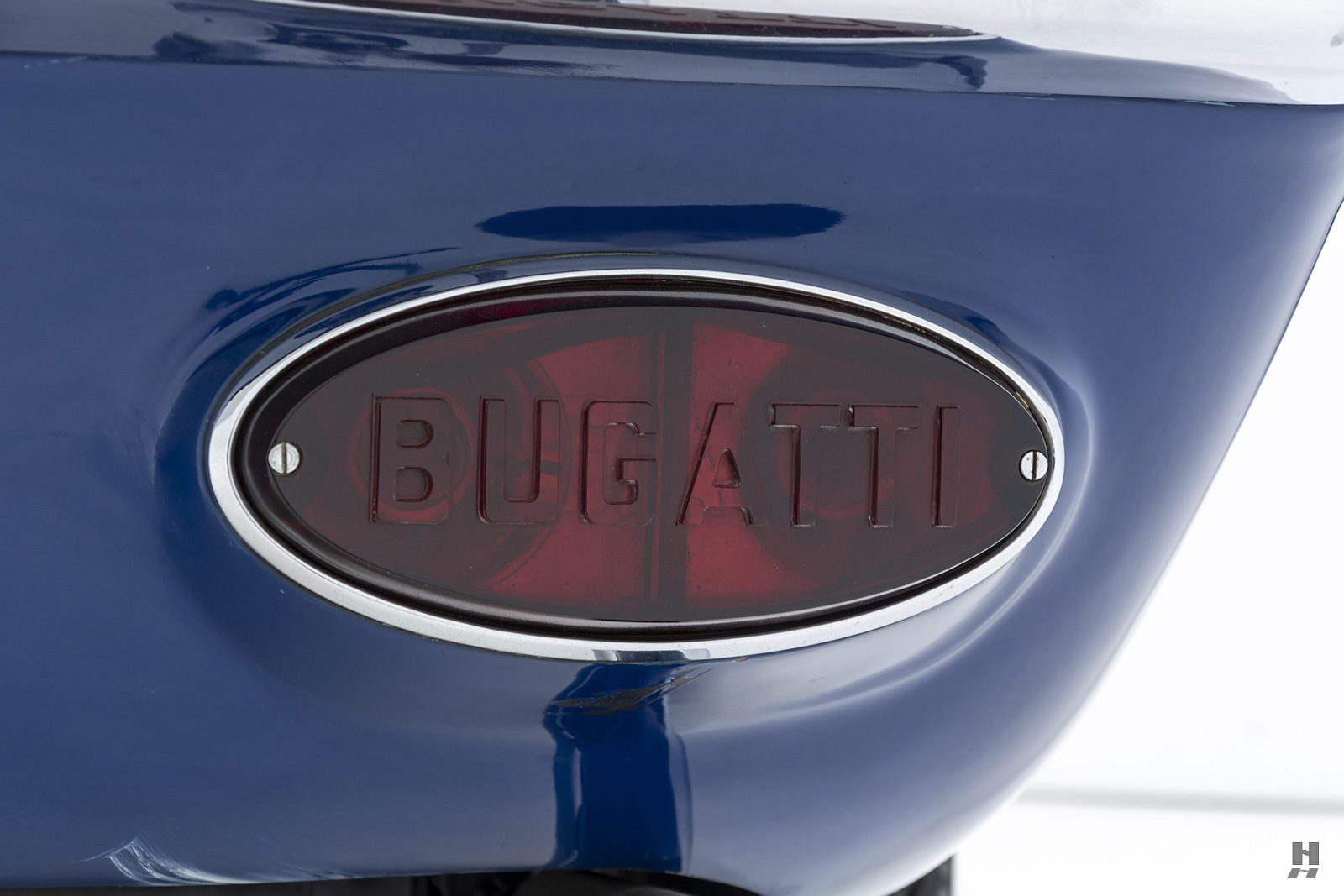
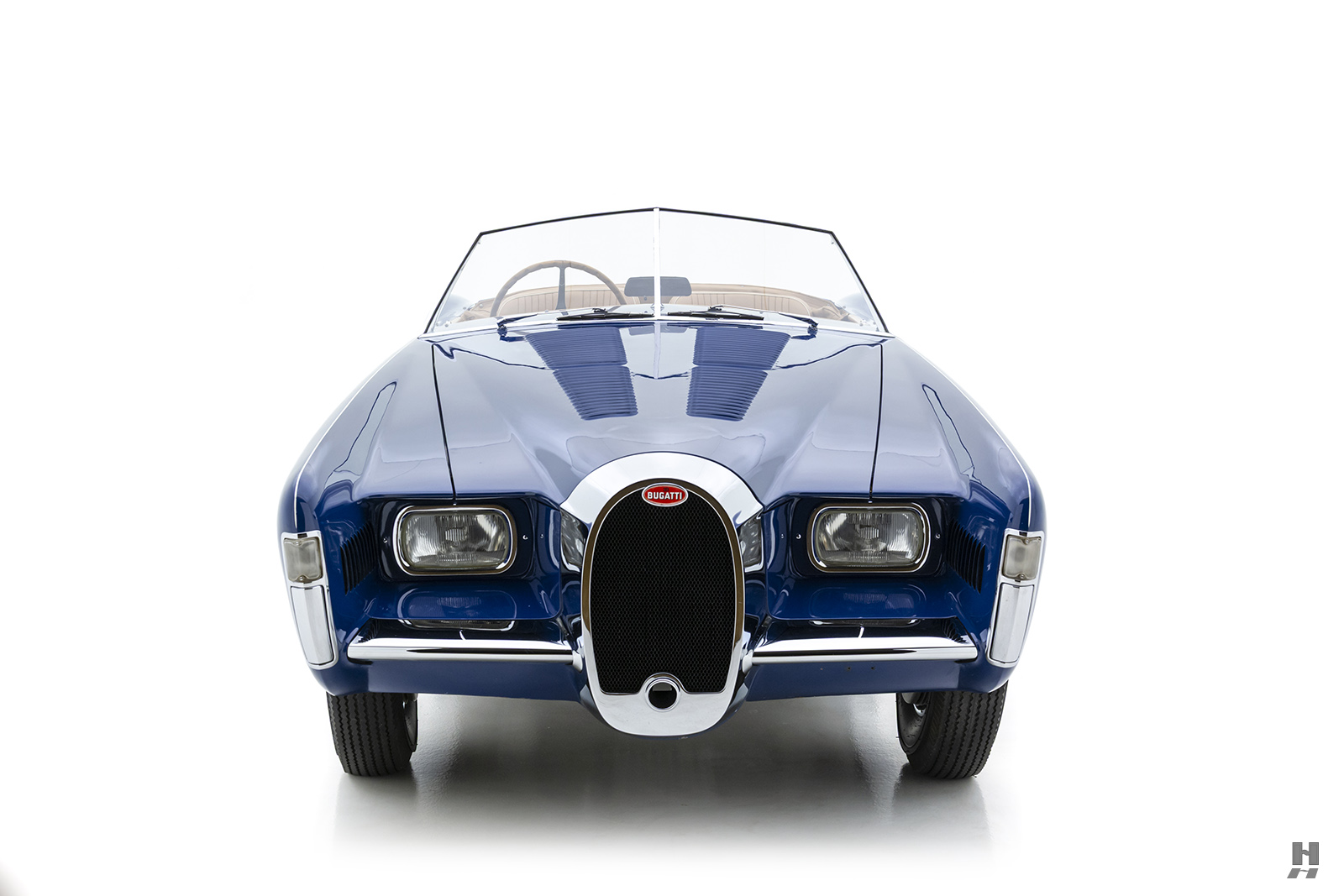
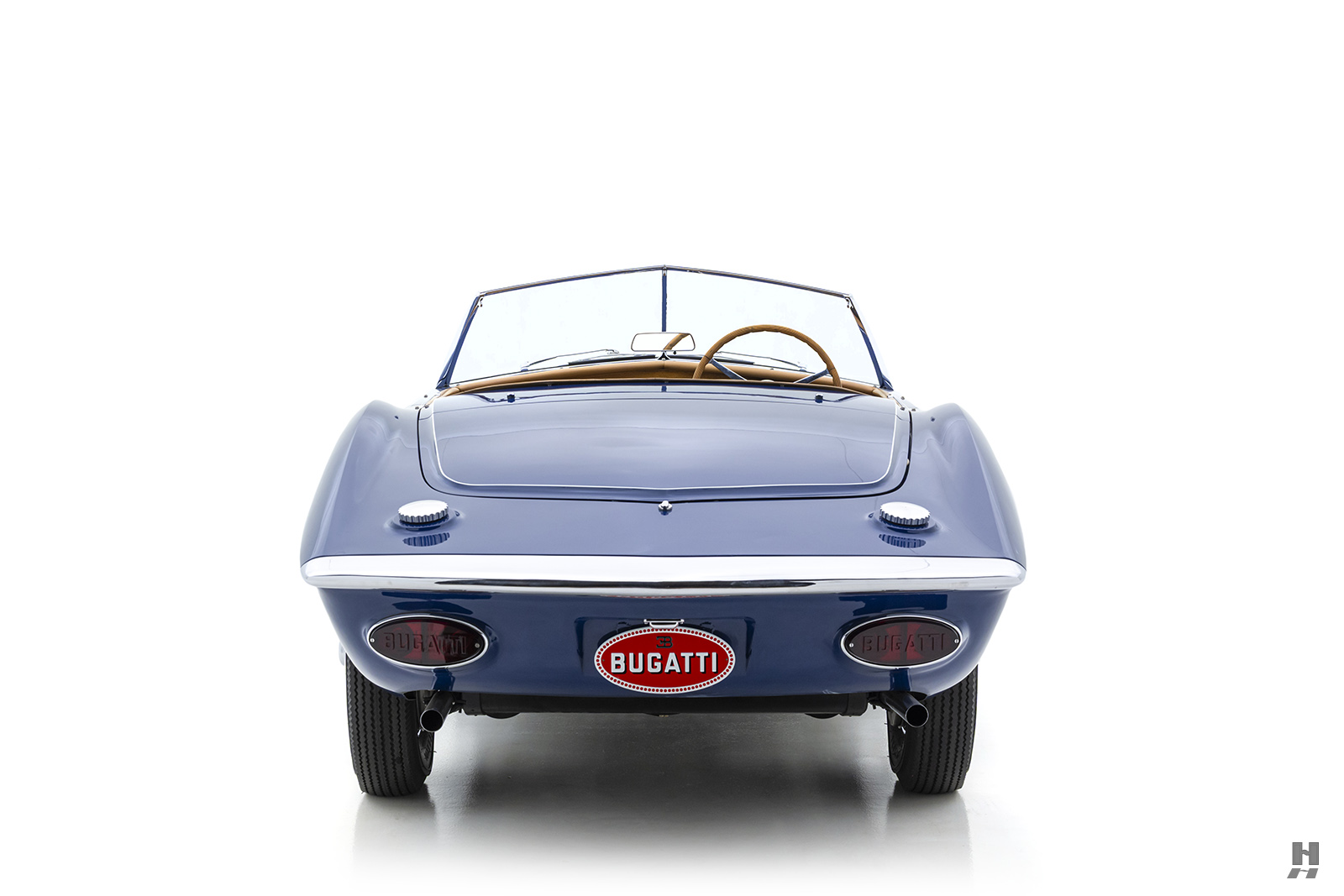
The finished product was unveiled at the 1965 Turin Auto Salon. A lithe and low-slung roadster, it was defined by the bold horseshoe grille protruding from pontoon-like front fenders, and a speed-boat style split windscreen. Distinctive rectangular headlamps flanked the grille, and the rear end came to a neat taper not unlike the 1962 Corvette. The car was finished in a lush dark blue, accented with white painted wire wheels fitted with white pinstripe tires. Dubbed the “Type 101C-X” it was a glamorous thing, and with its supercharged engine, it promised the sort of performance worthy of its illustrious badge.
While Exner Sr. hoped the show car would spur production interest, that never happened. After driving the 101C-X approximately 1,000 miles, Exner sold it to the renowned collector Tom Barrett, co-founder of the Barrett-Jackson auction house. Barrett then sold the car to his friend and fellow ‘horse trader’ Irving “Bud” Tushinsky, who showed the car with much enthusiasm during his tenure. Chassis 101506 then enjoyed a quiet spell in the care of Harvey Ludwig, before coming to the attention of Ken Behring and Don Williams of The Blackhawk Collection who acquired it around 1984. They promptly sold it to Gen. William Lyon, where it eventually became a stablemate Exner’s Mercer Cobra. As a cornerstone of the Lyon Family Collection for over 40 years, the significance of 101506 as the very last Bugatti was underscored by its pairing with the 1908 Type 10 Petit Pur Sang, the very first complete car designed and built by Ettore Bugatti. The 101C-X has been widely celebrated at the Pebble Beach Concours d’Elegance, and in 2022, it was invited to the National Automobile Museum – Schlumpf Collection at Mulhouse, France, for a special exhibition of all seven known Type 101s.
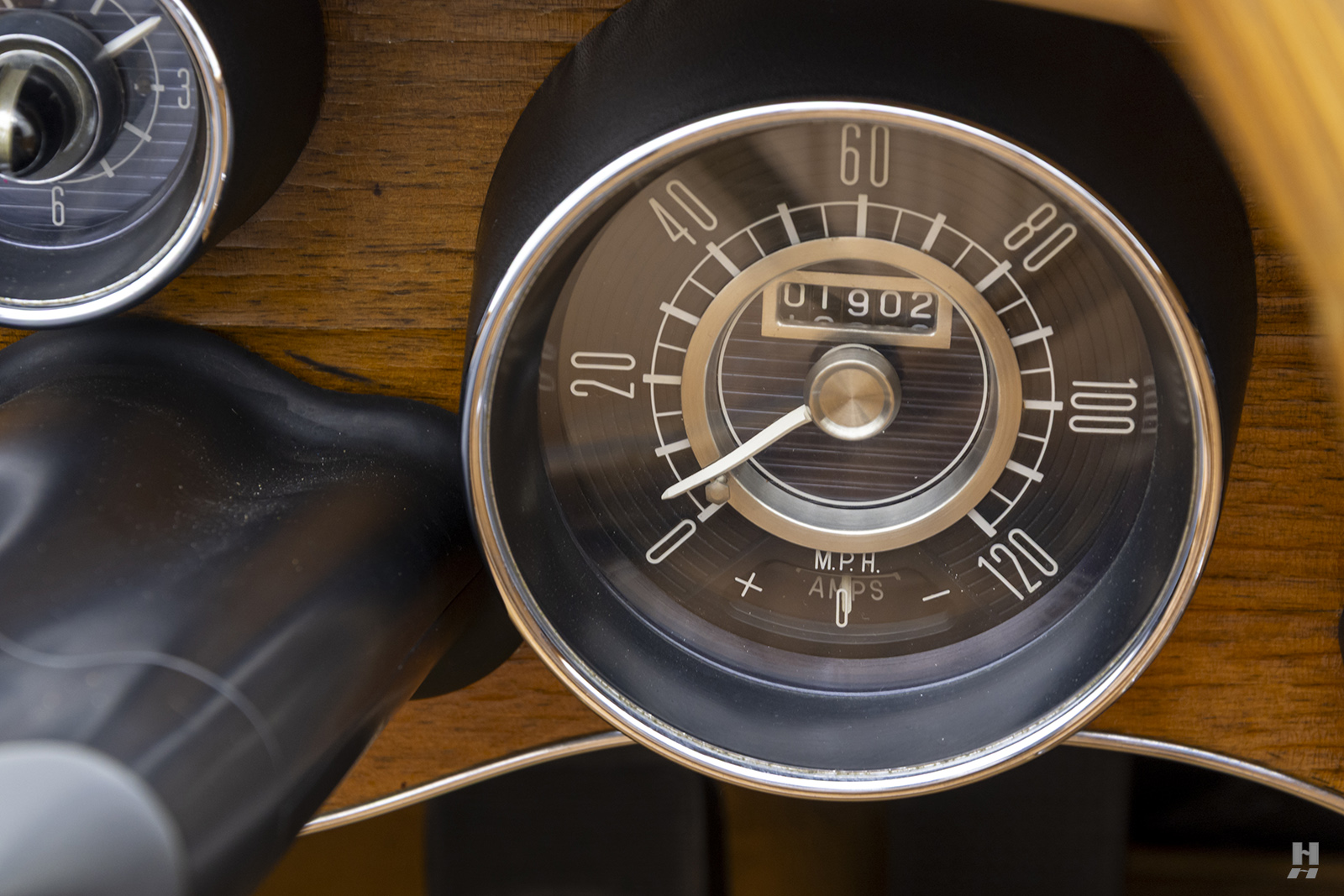
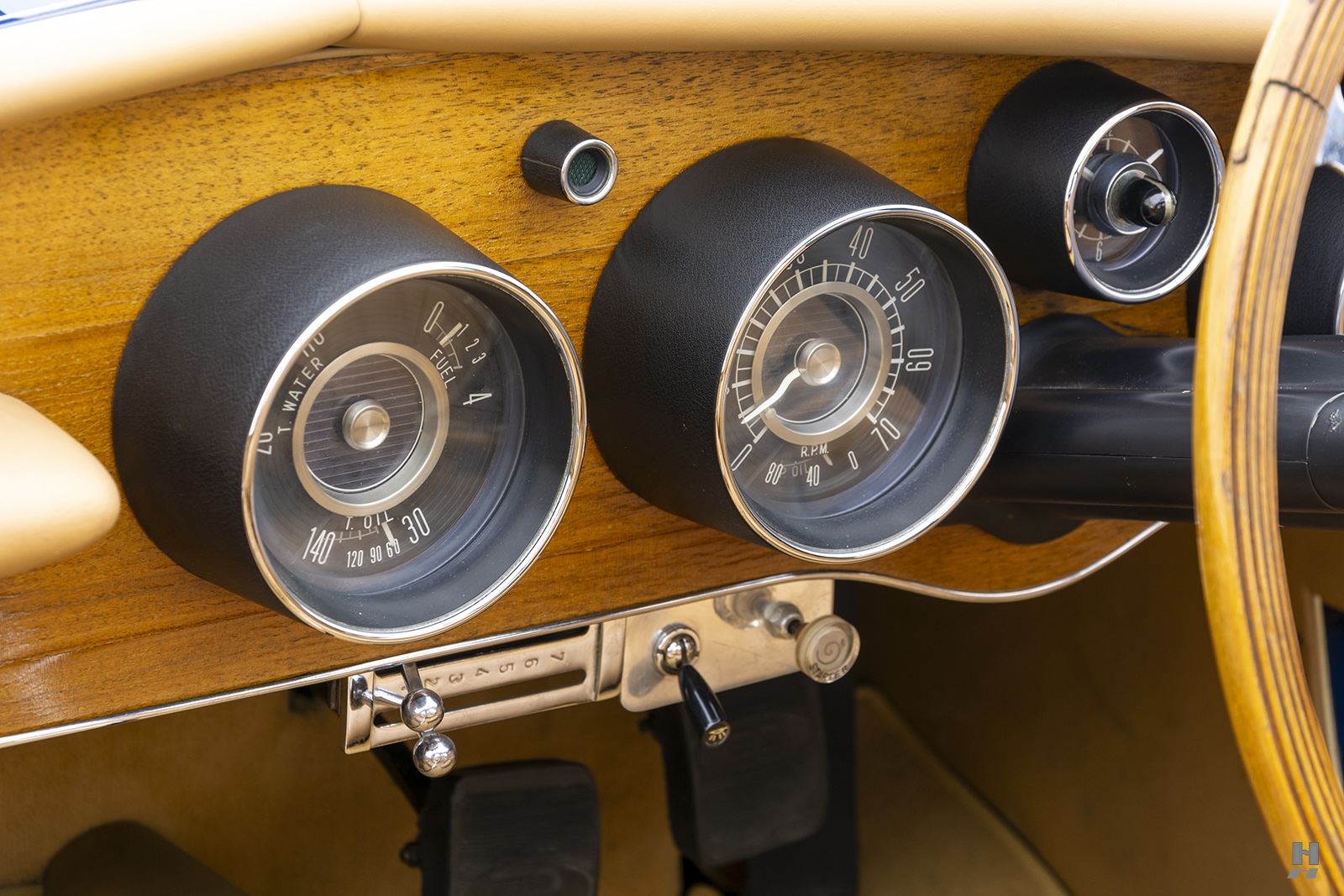
While the Bugatti company had an inauspicious ending after the war, Virgil Exner and Carrozzeria Ghia did wonders to celebrate the marque’s final days, respecting its lofty stature in motoring lore. Today, after more than four decades in the care of the Lyon Family Collection, the Bugatti 101C-X remains stunningly original, having never been restored during its lifetime. It is said to retain nearly all of its original paint, original engine, supercharger, and gearbox as fitted by Exner, with the only notable change being chrome wire wheels and whitewall tires in place of the original painted wires. Accompanying documents include various articles, including one by renowned author Karl Ludvigson, period photos of the car under construction, and photos documenting its various exhibitions.
Opportunities to acquire such a significant piece of motoring history come rarely, if not once in a lifetime, and the chance to own the final ‘true’ Bugatti is one that should not be missed.
Titled as a 1950.
Offers welcome and trades considered.
inquire for price
Stock number 8064
For immediate assistance please call us at +1-314-524-6000 or please fill out the following form and a member of our team will contact you.